Blog
Are SARMs Suppressive After Cycle?
Jun
A lot of guys only ask whether SARMs are suppressive after the cycle is already over – when libido drops, workouts feel flat, and that hard-earned fullness starts fading. That is usually the moment the real question shows up: are SARMs suppressive after cycle, and if they are, how much recovery support do you actually need?
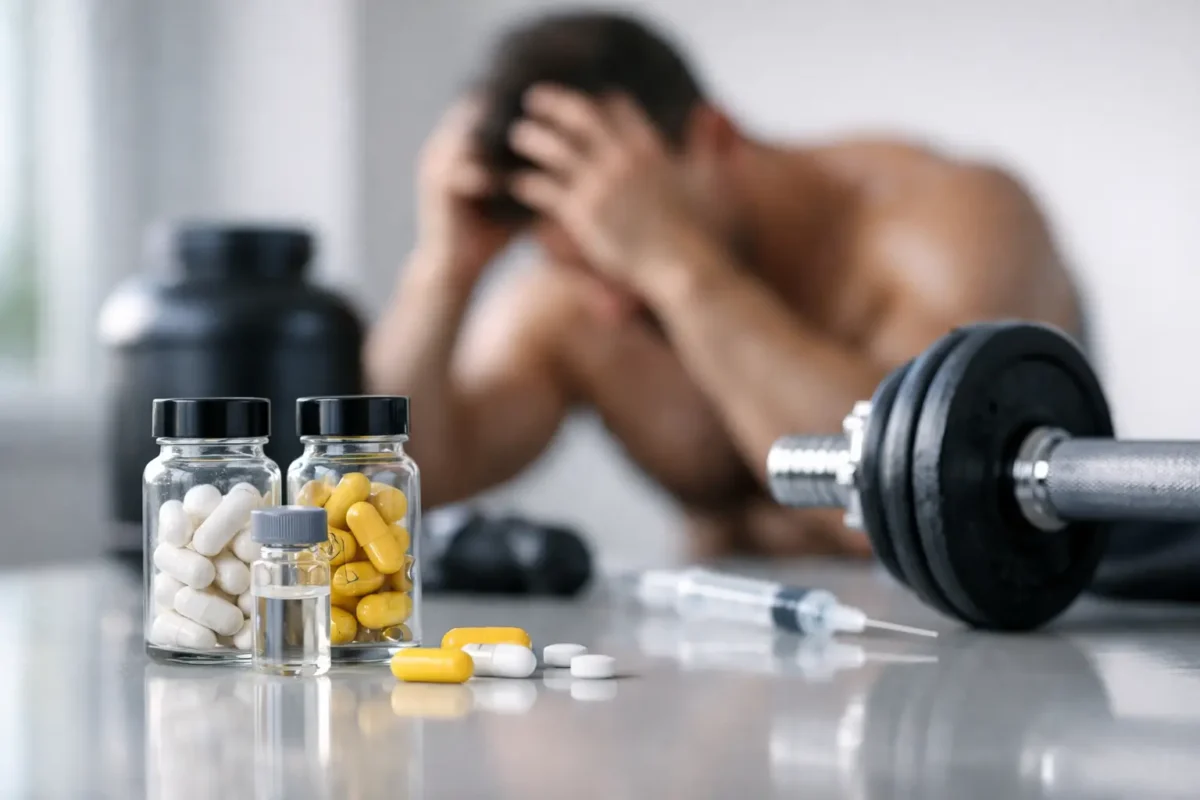
The short answer is yes, they can still be suppressive after the cycle ends. The compound is out of your system faster than your hormones bounce back. That gap matters. It is where low testosterone symptoms often show up, and it is why so many users underestimate the recovery side of SARMs.
Are SARMs Suppressive After Cycle or Only During Use?
Suppression does not magically stop the day you stop taking a SARM. During the cycle, many compounds can reduce your body’s natural testosterone production by signaling the hypothalamic-pituitary-gonadal axis to slow down. After the cycle, your body has to restart normal production, and that process is not always quick.
So when people ask if SARMs are suppressive after cycle, the better answer is this: the suppressive effect starts during use, but the consequences are often most obvious after use. You may not notice much while the compound is active because performance, pumps, and gym output can still feel strong. Once the compound is removed, the mismatch becomes clear. Natural testosterone is still lagging, but the performance support is gone.
That is why post-cycle recovery is where a lot of users either hold onto gains or lose momentum fast.
Why Suppression Can Show Up After the Cycle
Your endocrine system does not operate like an on-off switch. Even if a SARM has a shorter half-life, hormonal recovery can take weeks, and in some cases longer. The body needs time to normalize luteinizing hormone, follicle-stimulating hormone, and testosterone output.
This is where users get tripped up. They think a “mild” compound means no real shutdown risk. In practice, dose, duration, stacking, training stress, sleep quality, and baseline hormone health all affect the recovery picture. A moderate cycle run too long can hit harder than a shorter, well-managed one.
Some users recover on their own without much trouble. Others finish a cycle and notice low drive, poor mood, weaker erections, reduced strength, and less recovery between sessions. That is still suppression talking, even though the cycle is over.
Which SARMs Tend to Be More Suppressive?
Not all SARMs hit the same. That matters if you are trying to judge what your post-cycle period may look like.
Ostarine is often marketed as one of the milder options, but even that can suppress testosterone, especially at higher doses or over longer runs. Ligandrol is more commonly associated with noticeable suppression. RAD-140 is another one that many users find more impactful on natural hormone output. YK-11 gets discussed alongside SARMs, but because of how aggressive users treat it, recovery concerns are often higher.
The more potent the compound, the higher the dose, and the longer the run, the less smart it is to assume you will just bounce back without support. That does not mean every user needs the same recovery plan. It means you should stop thinking in labels like mild or strong and start thinking in actual response.
Signs You May Still Be Suppressed After SARMs
The signs are usually practical, not theoretical. Libido dropping off is one of the most common. Energy can tank. Motivation can feel off even when your training discipline is solid. Some users notice depression-like symptoms, poor gym drive, worse pumps, weaker erections, or a general flat look physically.
Strength loss is another signal, but it is not always easy to separate from reduced glycogen, body composition changes, or calorie shifts after a cycle. That is why bloodwork is stronger than guesswork. Symptoms matter, but numbers give you a cleaner read on what is really happening.
If total testosterone, free testosterone, LH, and FSH come back low post-cycle, the answer is right there. The cycle may be done, but suppression is not.
Bloodwork Tells the Truth
If you want a real answer to are SARMs suppressive after cycle, get labs before the cycle, during if needed, and after. That is the trusted approach if you care about results and long-term control.
Without bloodwork, too many users either panic over normal recovery fluctuations or ignore clear suppression because they feel “mostly fine.” Neither is ideal. You want to know where your baseline was, how far you dropped, and whether your body is climbing back naturally.
Post-cycle labs often look at total testosterone, free testosterone, estradiol, LH, FSH, prolactin when relevant, and liver markers depending on the compounds used. That full picture helps you decide whether time, lifestyle support, or actual PCT is the right move.
Do You Always Need PCT After SARMs?
No. But sometimes you absolutely do.
This is where internet advice gets sloppy. Some people say SARMs never need PCT. Others say every cycle needs a full post-cycle protocol. Realistically, it depends on the compound, dose, length of cycle, whether you stacked anything, your age, your hormone baseline, and what your bloodwork looks like after.
A short, lower-dose cycle with mild suppression may recover without pharmaceutical intervention. A more aggressive cycle, or a user showing clear low-test symptoms with bad labs, may benefit from a real PCT strategy. That can be the difference between a rough recovery and a cleaner restart.
PCT is not magic. It is a tool. Used correctly, it may help stimulate the body’s own testosterone production and reduce the time spent in a low-hormone state. Used blindly, it just adds more variables.
What Affects Recovery Speed?
Recovery is rarely just about the compound itself. Your bodyweight, age, sleep, calorie intake, body fat, stress load, training volume, and previous cycle history all matter. Someone running repeated cycles with short breaks may recover slower than a first-time user with better health markers.
Stacking also changes the game. Once users start mixing SARMs with prohormones, testosterone, or other performance compounds, the post-cycle picture gets more complex. At that point, calling it a simple SARM recovery is usually not accurate.
There is also the reality of product quality. If the compound was underdosed, overdosed, or not what the label claimed, suppression can be more unpredictable. That is one reason experienced buyers stick with trusted, lab-certified sources and avoid mystery products.
How to Manage the Post-Cycle Window Better
The smartest move is planning recovery before the cycle begins. That means knowing the likely suppression profile of the compound, having bloodwork lined up, and not waiting until symptoms hit to start asking questions.
Nutrition matters more than most users admit. If you crash calories right after a cycle, you can amplify the feeling of losing everything. Sleep is another major factor. Low sleep plus post-cycle hormone instability is a bad combination for mood, performance, and body composition.
Training should usually stay hard but controlled. Going all-out while hormones are low can dig a deeper hole. It makes more sense to keep intensity smart, manage volume, and focus on retention rather than trying to force new PRs during a shaky recovery phase.
For users who need actual support products, having genuine PCT options on hand before the cycle starts is simply smarter than scrambling later. That is basic cycle discipline.
The Big Mistake: Calling SARMs “No Shutdown”
The biggest mistake in this space is treating SARMs like they are side-effect free because they are not traditional anabolic steroids. They may be marketed as selective, but selective does not mean harmless and it definitely does not mean suppression-proof.
That is why the question are SARMs suppressive after cycle matters so much. It forces a better conversation. Not just whether gains happen, but what it costs to keep them. Not just what to run, but how to recover. Advanced users understand that the cycle is only half the plan.
If your goal is real physique progress, not just a few good weeks in the gym, think beyond the bottle. Strong results come from the full setup – authentic compounds, intelligent dosing, real recovery support, and honest monitoring. That is how experienced buyers stay in control instead of guessing their way through the crash.
A cycle should never end with confusion. If you respect what SARMs can do, you also respect what they can do after the cycle ends.
