
Introduction: Understanding Insulin Syringe Specifications
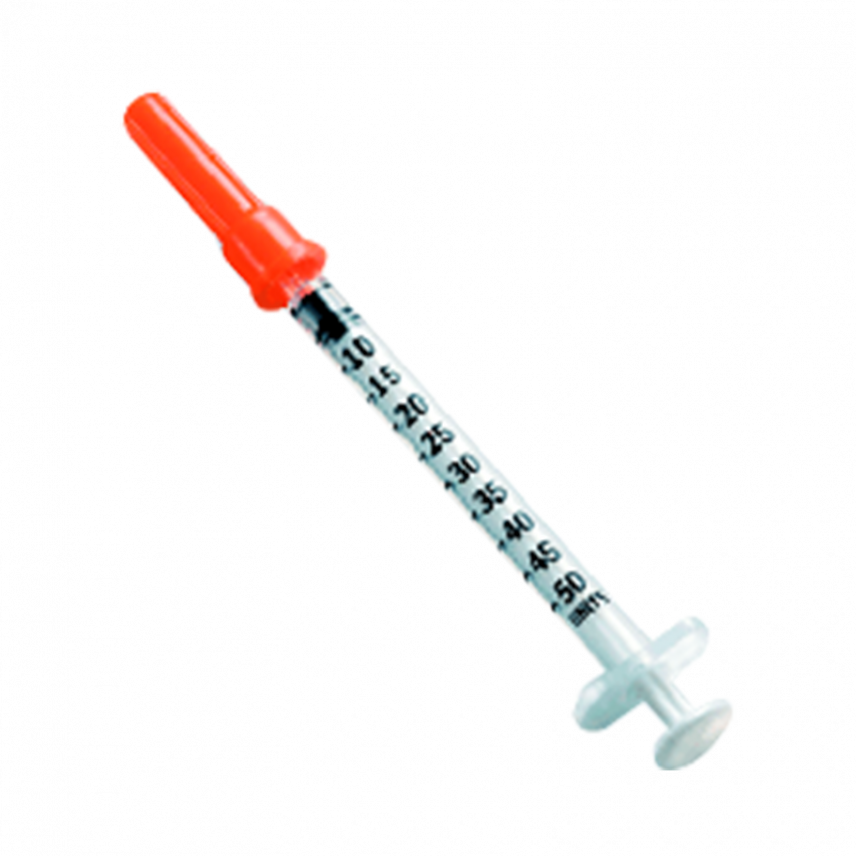
When managing diabetes, the right Insulin Syringe 30g x 8mm makes a significant difference in comfort, accuracy, and treatment effectiveness. Among the various options available, the Insulin Syringe 30g x 8mm has emerged as a popular choice for many patients. But what exactly do these measurements mean, and why might this specific syringe work for your needs?
The “30G” refers to the needle’s gauge or thickness. A higher gauge number indicates a thinner needle. Therefore, a 30-gauge needle is exceptionally fine, designed to minimize discomfort during injections. The “8mm” measurement represents the needle length. This shorter length makes the 30G x 8mm syringe particularly suitable for subcutaneous insulin injections, where the medication needs to reach just beneath the skin’s surface rather than deeper muscle tissue.
This comprehensive guide explores everything you need about 30G x 8mm insulin syringes. We will examine their benefits, proper usage techniques, safety considerations, and how they compare to other syringe types. By understanding these details, you can make informed decisions about your diabetes management tools.
Chapter 1: Breaking Down Syringe Specifications
What 30G Really Means: The Gauge Measurement
The Insulin Syringe 30g x 8mm system for needles follows a counterintuitive pattern that often confuses new users. Contrary to what you might expect, a higher gauge number corresponds to a thinner needle. This measurement system originated from the number of times manufacturers drew wire through progressively smaller holes to create needles.
A Insulin Syringe 30g x 8mm has an external diameter of approximately 0.31 millimeters. To visualize this thickness, consider that a standard human hair measures about 0.07 to 0.1 millimeters thick. Therefore, a Insulin Syringe 30g x 8mm needle is only three to four times thicker than a single strand of hair. This extreme thinness explains why many patients report significantly less pain compared to thicker needles.
The Significance of 8mm Length
Needle length determines how deeply the Insulin Syringe 30g x 8mm penetrates your tissue. Medical professionals generally recommend shorter needles for insulin injections because insulin works most effectively when delivered into the subcutaneous fat layer rather than muscle. The 8mm length specifically targets this subcutaneous layer while minimizing the risk of intramuscular injection.
Research shows that 8mm needles effectively deliver insulin to the subcutaneous tissue in approximately 99% of adults, regardless of body mass index. This effectiveness makes them suitable for nearly all adult patients. The shorter length also reduces anxiety for many users, especially those new to insulin injections or with needle phobia.
Comparing with Other Common Sizes
Understanding how Insulin Syringe 30g x 8mm compare to other options helps you make the best choice:
-
29G x 12.7mm: Slightly thicker and longer needles that were standard for many years. Many patients find the 30G more comfortable while maintaining reliability.
-
31G x 8mm: Even thinner needles that offer maximum comfort but may have slightly higher bending risk and sometimes increased cost.
-
32G x 4mm or 6mm: Ultra-short needles primarily designed for children or very thin adults with minimal subcutaneous fat.
Most diabetes organizations now recommend 4mm, 5mm, or 8mm needles for all adult patients, citing adequate insulin absorption and improved comfort with shorter lengths.
Chapter 2: Advantages of 30G x 8mm Insulin Syringes
Enhanced Comfort During Injection
The primary advantage of Insulin Syringe 30g x 8mm centers on patient comfort. The ultra-fine Insulin Syringe 30g x 8mm needle creates a smaller puncture wound, stimulating fewer nerve endings in the skin. Many users describe the sensation as a slight pinch rather than a sharp pain. This improved comfort proves particularly valuable for patients who require multiple daily injections, as reduced discomfort encourages adherence to prescribed insulin regimens.
Additionally, the 8mm length minimizes tissue trauma. Shorter needles disturb less tissue during insertion and withdrawal, potentially reducing bruising and site irritation. Patients often notice fewer injection site reactions like redness, swelling, or itching when switching to shorter, thinner needles.
Reduced Risk of Intramuscular Injection
Intramuscular Insulin Syringe 30g x 8mm occurs when the needle penetrates beyond the subcutaneous fat layer into the underlying muscle. This problematic situation can lead to faster insulin absorption than intended, potentially causing dangerous hypoglycemic episodes. The 8mm needle length substantially reduces this risk for most adults, even those with lower body fat percentages.
Studies indicate that even in lean individuals, the skinfold thickness (the layer of skin plus subcutaneous fat) at recommended injection sites typically exceeds 8mm when properly pinched. When using the correct injection technique with skin pinching, the 8mm needle reliably delivers insulin to the subcutaneous space without reaching muscle tissue.
Improved Injection Accuracy
Thinner needles cause less tissue displacement during insertion, potentially improving dose accuracy. Thicker needles can sometimes push aside tissue as they penetrate, which might affect the precise depth of medication delivery. The 30G needle’s minimal tissue disturbance helps ensure consistent injection depth from one administration to the next.
Furthermore, many Insulin Syringe 30g x 8mm feature ultra-sharp, lubricated needles specially designed for smooth penetration. These technological advancements reduce the force needed for injection, giving users better control throughout the process.
Psychological Benefits and Adherence
The psychological impact of injection comfort should not be underestimated. Fear of pain represents a significant barrier to insulin initiation and adherence. The Insulin Syringe 30g x 8mm combination, with its reputation for comfort, can help overcome this psychological hurdle. Patients who feel more confident about their injection experience typically demonstrate better consistency with their insulin regimen, leading to improved glycemic control.
Children and adolescents with diabetes particularly benefit from less intimidating needles. Parents often find that switching to Insulin Syringe 30g x 8mm reduces resistance and anxiety around injection times, making diabetes management less stressful for the entire family.
Chapter 3: Proper Injection Technique with 30G x 8mm Syringes
Step-by-Step Injection Guide
Using your Insulin Syringe 30g x 8mm correctly ensures optimal insulin delivery and maximum comfort:
-
Preparation: Wash your hands thoroughly with soap and water. Gather your Insulin Syringe 30g x 8mm vial, syringe, alcohol swab, and sharps container. Ensure your insulin is at room temperature (rolling it gently if needed, not shaking).
-
Air Injection: Remove the Insulin Syringe 30g x 8mm cap. Pull the plunger to draw air equal to your prescribed insulin dose. Inject this air into the insulin vial. This equalizes pressure, making insulin easier to withdraw.
-
Dosage Withdrawal: Turn the vial upside down. Ensure the needle tip remains in the insulin. Slowly pull back the plunger to draw slightly more than your needed dose.
-
Air Bubble Removal: Tap the syringe gently to move any air bubbles to the top. Push the plunger slightly to expel air bubbles and excess insulin until you reach your exact dose.
-
Site Preparation: Clean your chosen injection site with an alcohol swab using a circular motion. Allow the area to dry completely to prevent stinging.
-
Pinching Technique: For the 8mm needle, you generally need to pinch a skinfold. Use your thumb and fingers to lift about 2 inches (5 cm) of skin and subcutaneous tissue. Avoid pinching muscle.
-
Insertion: Hold the syringe like a pencil. Insert the entire 8mm needle into the pinched skin at a 90-degree angle. If you’re very thin or using thighs/arms, a 45-degree angle might work better.
-
Insulin Delivery: Push the plunger down steadily and completely. Wait 5-10 seconds to ensure all insulin delivers.
-
Withdrawal and Disposal: Remove the needle smoothly. Release the skinfold. Immediately place the used syringe in your sharps container—never recap needles.
Injection Site Rotation
Proper site rotation prevents lipohypertrophy (lumpy fatty tissue) that can interfere with insulin absorption. Follow these rotation principles:
-
Abdomen: Insulin absorbs fastest here. Use an area at least 2 inches away from your navel.
-
Thighs: Use the front and outer areas of your thighs, avoiding the inner thighs and areas near joints.
-
Buttocks: Upper outer quadrant provides slower absorption.
-
Arms: Use the fatty area at the back of your upper arms.
Create a systematic rotation pattern, such as moving clockwise around your abdomen before switching to another site. Avoid injecting into areas that feel hard, lumpy, bruised, or tender.
Special Considerations for Different Populations
-
Children: For children, the 8mm needle usually requires a 45-degree angle or careful pinching. Some pediatricians recommend 6mm needles for very young children.
-
Elderly Patients: Thinner skin and potential muscle wasting may require modified technique. A 45-degree angle without pinching often works well for frail elderly patients.
-
Underweight Individuals: Those with minimal subcutaneous fat should use a 45-degree angle and possibly consider even shorter needles (4mm or 6mm) for certain sites.
Chapter 4: Safety Considerations and Best Practices
Needle Reuse: Understanding the Risks
While some patients reuse Insulin Syringe 30g x 8mmto reduce costs, this practice carries significant risks:
-
Infection Risk: Each use dulls the needle and introduces bacteria. Reused needles increase infection chances at injection sites.
-
Needle Dulling: A Insulin Syringe 30g x 8mm bends easily. Microscopic examination shows substantial deformation after just one use, making subsequent injections more painful.
-
Dosage Accuracy: Tiny rubber particles from vial stoppers can clog reused needles, affecting dose accuracy.
-
Official Recommendations: The CDC, FDA, and diabetes organizations unanimously recommend using each needle only once.
If financial constraints force reuse, never share needles with anyone, and limit reuse to a maximum of 3-4 times only if absolutely necessary. Always inspect needles for bending or damage before reuse.
Proper Storage of Syringes
Store unopened syringes at room temperature (59°F to 86°F or 15°C to 30°C) away from direct sunlight and heat sources. Avoid freezing, as extreme cold can damage the needle’s lubricant coating and plastic components. Once opened, use syringes within their expiration date, typically 6-12 months depending on the manufacturer.
Never store syringes with the needle attached to insulin pens or vials, as this can create pathways for contamination. Always use a new needle for each injection.
Recognizing and Addressing Complications
Be aware of potential injection-related complications:
-
Lipohypertrophy: Lumpy, hardened fat tissue from repeated injections in the same spot. Prevention through rotation works best. Avoid injecting into these areas until they soften.
-
Bruising: Occasional minor bruising is normal. Apply gentle pressure immediately after injection to minimize this. Frequent bruising may indicate incorrect technique.
-
Infection: Redness, warmth, swelling, or pain that worsens over time could signal infection. Consult your healthcare provider promptly.
-
Allergic Reactions: Rare, but watch for itching, redness, or rash around injection sites. Discuss with your doctor about potential alternatives.
Travel Considerations
When traveling with Insulin Syringe 30g x 8mm:
-
Keep Insulin Syringe 30g x 8mm in original packaging with pharmacy labels when possible.
-
Carry a doctor’s letter explaining your medical need for syringes.
-
Research destination regulations regarding syringe transport.
-
Never check insulin or syringes in luggage; always carry them with you.
-
Bring approximately twice as many supplies as you expect to need.
Chapter 5: Cost Analysis and Insurance Considerations
Pricing Comparison
Insulin Syringe 30g x 8mm costs vary significantly by brand, quantity, and source:
-
Retail Pharmacies: Typically $15-$30 for 100 syringes without insurance
-
Online Medical Suppliers: Often $10-$20 for 100 syringes
-
Big Box Stores: Some offer discount programs (Walmart’s ReliOn brand, for example)
-
With Insurance: Copays usually range from $0-$15 for a 3-month supply
Generic/store brand syringes generally work as effectively as name brands (BD, EasyTouch, etc.) but verify compatibility with your specific insulin regimen.
Insurance Navigation Tips
-
Formulary Checks: Verify which syringe brands your insurance covers before purchasing in bulk.
-
Prior Authorization: Some plans require this for specific brands. Your doctor can assist.
-
Quantity Limits: Insurance may limit the number of syringes covered per month. Adjust based on your injection frequency.
-
Medicare Coverage: Part B covers syringes if medically necessary. Standard Part D plans also typically cover them.
Assistance Programs
Several programs help with diabetes supply costs:
-
Manufacturer patient assistance programs
-
Nonprofit organizations like the Diabetes Foundation
-
State pharmaceutical assistance programs
-
340B programs at certain clinics
Discuss financial concerns openly with your healthcare provider, who may know local resources or samples.
Chapter 6: Environmental Impact and Proper Disposal
Safe Disposal Methods
Proper Insulin Syringe 30g x 8mm disposal protects sanitation workers, family members, and the environment:
-
Sharps Containers: Use FDA-approved containers or alternatives like thick plastic detergent bottles. Label clearly as “Sharps.”
-
Community Programs: Many pharmacies, hospitals, and health departments offer drop-off programs or mail-back services.
-
Residential Pickup: Some municipalities allow sealed sharps containers in regular trash—check local regulations.
-
Never: Flush syringes down toilets or place loosely in trash/recycling bins.
Environmental Considerations
While individual syringes create minimal waste, collective disposal matters significantly. Some manufacturers now offer partially recyclable syringes or take-back programs. The BD ecoFinity program, for example, recycles used pen needles and syringes into new products.
Consider discussing environmental concerns with your healthcare provider, though never compromise safety for environmental reasons. Your health priority remains proper insulin delivery.
Chapter 7: Frequently Asked Questions
Q: Can I use 30G x 8mm syringes for all insulin types?
A: Yes, these syringes work with all insulin types (rapid-acting, short-acting, intermediate, and long-acting). However, always use U-100 syringes for U-100 insulin concentrations.
Q: How do I know if 8mm is too long for me?
A: If you experience frequent intramuscular injections (pain, quicker effect than expected) or have very little body fat, consult your doctor about shorter options like 4mm or 6mm needles.
Q: Can I inject through clothing with 30G x 8mm needles?
A: Most medical professionals don’t recommend this due to infection risk and potential for lint clogging the fine needle. However, some studies show it might be safe with thin, clean clothing if necessary. Discuss with your healthcare team.
Q: Why does insulin sometimes leak after injection?
A: This typically happens if you withdraw the needle too quickly. Wait 5-10 seconds after fully depressing the plunger before removing. Using the correct injection angle also helps prevent leakage.
Q: How should I handle syringe shortages or availability issues?
A: Never skip Insulin Syringe 30g x 8mm doses. Contact multiple pharmacies, ask your doctor for samples, or consider temporary alternatives. Some insulin pen needles can work with syringe drawings in emergencies, though this isn’t ideal.
Conclusion: Making Informed Choices for Your Diabetes Management
The Insulin Syringe 30g x 8mm
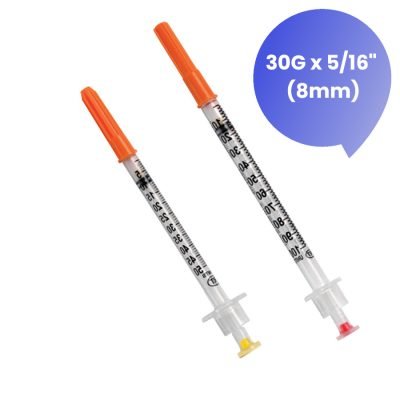
represents an excellent balance of comfort, safety, and effectiveness for most insulin users. Its thin gauge minimizes discomfort while the shorter length reduces complication risks. Remember that proper technique matters just as much as equipment quality. Always follow your healthcare provider’s specific recommendations tailored to your body and insulin regimen.
Diabetes management requires attention to numerous details, and your injection tools form a crucial component of this system. By understanding the specifics of your 30G x 8mm syringe, practicing correct injection methods, and maintaining safety protocols, you empower yourself toward better glycemic control and improved quality of life.
Consult regularly with your diabetes care team about your injection experience. Share any concerns about discomfort, site reactions, or technique challenges. They can provide personalized adjustments to optimize your insulin delivery system. Your proactive approach to understanding and properly using your insulin syringe makes a meaningful difference in your daily diabetes management journey.
Be the first to review “Insulin Syringe 30g x 8mm 1cc, pack of 10”
Related products
Syringes & Accessories

Drawing Needles

Syringes & Accessories
Syringes & Accessories
Syringes & Accessories
Syringes & Accessories
Syringes & Accessories
Syringes & Accessories
Reviews
There are no reviews yet.