
IGF 1 LR3 1000mcg/vial RECOMBINANT (not synthetic) – Apoxar

$130.00
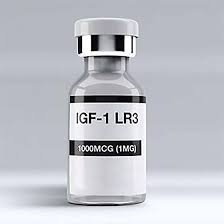
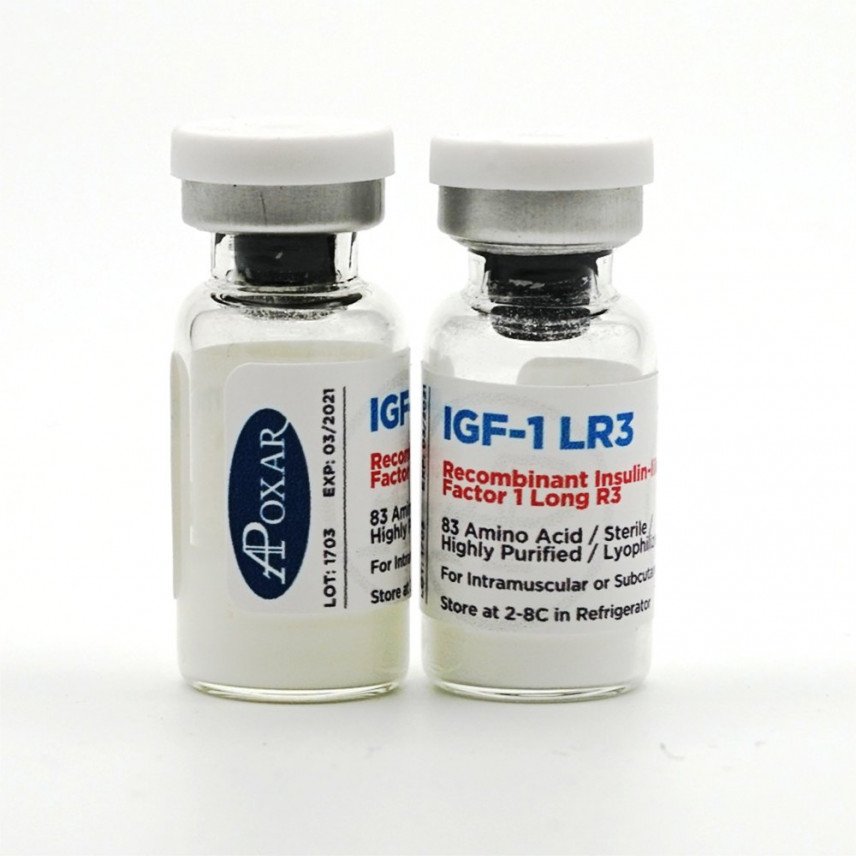
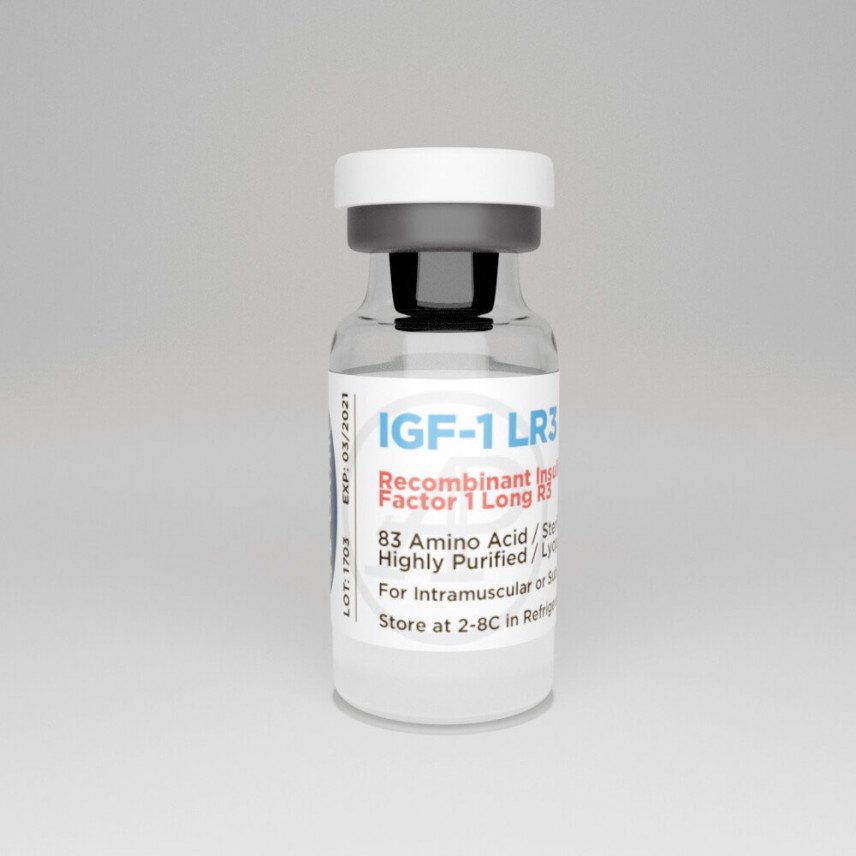
Apoxar IGF-1 LR3, or Insulin-Like Growth Factor 1, is an injectable version of a natural protein that boosts muscle growth and endurance. It can give you:
- Insane muscle mass growth in a relatively short time;
- High-quality muscle gains with no water retention;
- No adverse effects on your own natural Testosterone;
- Fat loss and leaner physique;
- All of it — with Apoxar premium quality, guaranteed with a 3rd party lab test.
IGF-1 LR3 is one of the most popular natural peptides for bulking up with no excessive bloating, with effects close to the ones of hardcore Anabolic Steroids.
IGF 1 LR3 1000mcg: Complete Guide to Research, Benefits, and Safety
Interest in peptide research continues to expand, especially around compounds connected to cellular growth and recovery pathways. One peptide that frequently appears in scientific discussions is IGF 1 LR3 1000mcg. Researchers study this long-acting insulin-like growth factor analogue for its stability and extended activity profile.
In this in-depth guide, you will learn what IGF 1 LR3 is, how it differs from native IGF-1, why the 1000mcg format is common, and which safety and quality considerations matter most. Moreover, the content prioritizes clarity, accuracy, and responsible context.
What Is IGF 1 LR3?
IGF 1 LR3 1000mcg is a modified form of insulin-like growth factor 1 (IGF-1). Scientists altered its structure to increase stability and extend its activity in research environments. As a result, IGF 1 LR3 remains active longer than native IGF-1 in experimental settings.
Because of these characteristics, researchers use IGF 1 LR3 to explore cell growth, tissue signaling, and recovery-related pathways.
Understanding the “1000mcg” Label
The 1000mcg designation refers to the total peptide content supplied in a vial. This label helps with cataloging, inventory management, and standardization across research suppliers.
Importantly, it does not represent guidance for use. Instead, it serves as a reference for product quantity within laboratory or research distribution.
How IGF 1 LR3 Differs From Native IGF-1
Understanding the distinction between IGF 1 LR3 and natural IGF-1 clarifies why researchers choose one over the other.
Native IGF-1
-
Shorter half-life
-
Rapid binding to IGF-binding proteins
-
Limited stability in circulation
IGF 1 LR3
-
Extended half-life in research models
-
Reduced binding to IGF-binding proteins
-
Greater stability for experimental observation
Therefore, IGF 1 LR3 allows researchers to observe IGF-related signaling over a longer period.
Why Researchers Study IGF 1 LR3
Researchers focus on IGF 1 LR3 1000mcg because of its role in cellular signaling pathways.
Cell Growth and Repair Pathways
IGF 1 LR3 1000mcg-related signaling influences how cells grow, differentiate, and repair. Consequently, IGF 1 LR3 appears in studies exploring tissue regeneration models.
Protein Synthesis Research
Scientists examine IGF pathways to understand how cells regulate protein production and structural maintenance.
Recovery and Adaptation Studies
Because IGF signaling plays a role in adaptation, IGF 1 LR3 1000mcg helps researchers investigate recovery-related mechanisms in controlled environments.
IGF 1 LR3 and Cellular Signaling
IIGF 1 LR3 1000mcg interacts with the IGF-1 receptor, triggering intracellular signaling cascades. These cascades influence how cells respond to growth signals.
Key Signaling Concepts
-
Activation of anabolic pathways
-
Support for cellular repair mechanisms
-
Influence on nutrient utilization
However, signaling outcomes depend on many variables, including cell type and experimental design. Therefore, conclusions remain research-specific.
Research Context: Muscle, Tissue, and Cellular Studies
While public interest often centers on muscle-related topics, research extends far beyond that scope.
Tissue Research
IGF 1 LR3 1000mcg appears in studies examining connective tissue, cellular turnover, and repair signaling.
Metabolic Interaction Studies
Researchers also explore how IGF pathways interact with metabolic processes.
Developmental Biology
IGF 1 LR3 1000mcg signaling plays a role in development, which explains interest in controlled experimental models.
These diverse research areas highlight the peptide’s scientific relevance.
IGF 1 LR3 vs Other Growth-Related Peptides
Comparisons help define IGF 1 LR3’s role.
IGF 1 LR3 vs Growth Hormone (GH)
-
IGF 1 LR3 1000mcg acts downstream of GH pathways
-
GH stimulates IGF production, while IGF 1 LR3 1000mcg directly activates IGF receptors
IGF 1 LR3 vs Short-Acting IGF-1
-
Longer activity duration
-
Improved stability for research observation
Therefore, selection depends on research goals rather than superiority.
Product Form and Presentation
Most IGF 1 LR3 1000mcg products appear as lyophilized (freeze-dried) peptides. This format improves stability during storage and transport.
Common Packaging Features
-
Sealed vials
-
Clear labeling with lot numbers
-
Quantity identification (1000mcg)
These features support quality control and traceability.
Evaluating IGF 1 LR3 Quality Before Purchase
Quality assessment remains critical.
Purity and Testing
Reputable suppliers often provide:
-
Third-party lab analysis
-
Purity percentages
-
Batch-specific documentation
Manufacturing Standards
Look for references to:
-
GMP-aligned facilities
-
Controlled synthesis processes
Transparency
Clear product descriptions and accessible testing data indicate reliability.
Storage and Handling Considerations (General Information)
Proper storage preserves peptide integrity.
General Storage Principles
-
Keep away from heat and direct light
-
Follow supplier storage guidance
-
Avoid contamination
These principles apply broadly to research peptides.
Safety Considerations and Responsible Information
Safety should always come first.
Research Classification
IGF 1 LR3 1000mcg is typically labeled for research use only. Regulatory approval for general consumer use may not apply.
Biological Activity
Because it influences growth-related pathways, misuse or misunderstanding may carry risks.
Professional Oversight
Any investigation involving IGF peptides should occur under appropriate scientific or medical supervision.
Responsible education reduces misinformation and harm.
Legal and Regulatory Awareness
Regulations differ by country and region. In many jurisdictions, IGF-related peptides fall under controlled or restricted categories.
Before purchasing, buyers should:
-
Verify local regulations
-
Confirm supplier compliance
-
Avoid unauthorized claims
Compliance protects both buyers and suppliers.
Lifestyle and Research Variables
Even in controlled studies, IGF signaling interacts with broader biological factors.
Nutrition
Nutrient availability affects growth signaling.
Rest and Recovery
Cellular repair processes depend on adequate recovery time.
Stress and Hormonal Balance
Stress hormones can influence IGF-related pathways.
Therefore, research always considers multiple variables.
Common Misconceptions About IGF 1 LR3
“It Is the Same as IGF-1”
Structural modifications create meaningful differences.
“It Guarantees Growth”
No compound guarantees outcomes. Research results vary.
“It Is Risk-Free”
All bioactive peptides carry potential risks.
Clarifying misconceptions improves understanding.
Frequently Asked Questions (FAQ)
What does IGF 1 LR3 stand for?
It refers to a long-acting analogue of insulin-like growth factor 1.
Why is 1000mcg a common format?
It provides standardized quantity labeling for research distribution.
Is IGF 1 LR3 approved as a medicine?
Approval status varies, and it is commonly restricted to research contexts.
Why do researchers prefer LR3 over native IGF-1?
Its extended activity allows longer observation of signaling effects.
Ethical Considerations in Peptide Research
Ethics guide responsible science.
-
Accurate labeling
-
No exaggerated claims
-
Respect for regulatory boundaries
Ethical practices strengthen trust in research outcomes.
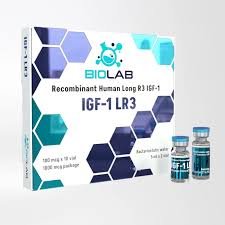
IGF-1 LR3 PEPTIDE OVERVIEW
Currently there are 3 versions of injectable IGF 1 LR3 1000mcg peptides on the market:
- IGF 1 LR3 1000mcg (or DES IGF-1) with a half-life of just 30 minutes;
- IGF-1 LR3 modification — with an effective half-life of 20-30 hours;
- Base IGF-1 —weaker and quickly dissolved by your body’s natural filtering.
IGF-1 in LR3 modification (meaning Long R3, with extra 13 amino acids and arginine at the 3rd position) by Apoxar is an amino acid analog to a natural IGF-1. It’s more powerful and stays active in your body for a longer period.
LR3 is the most cost-effective IGF-1 version available.
IGF-1 Benefits:
- Significant muscle growth;
- Endurance and strength boost;
- Not synthetic, a natural compound;
- No water retention, no suppression;
- Pharm-grade quality;
- 3rd party lab-tested, independent check.
Be the first to review “IGF 1 LR3 1000mcg/vial RECOMBINANT (not synthetic) – Apoxar”
Related products
HGH & Pertides
HGH - Growth Hormone
Anti-Aging
HGH - Growth Hormone

HGH & Pertides

HGH - Growth Hormone
HGH - Growth Hormone

Reviews
There are no reviews yet.