

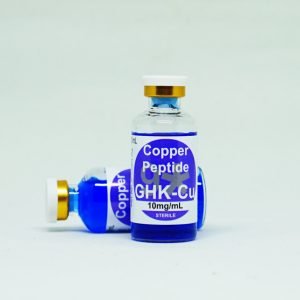
Copper Peptide (Injury Support, Anti-Aging) 10mg/ml – Innovagen
$70.00
Copper Peptide GHK10mg/ml, 10ml. Contians Lidocaine 1% and Bupivacaine 0.25%
Mainly used as an anti-ageing ingredient in skincare. Promote wound healing, collagen stimulation and attraction of immune cells.
Usage: 1.5-2mg per day, intramuscular injection.
Cycle Duration: 5-10 days for optimal results.
Repeat cycle: 1-2 times a year.
Brand: Innovagen
Substance: HGH & Peptides
Dosage and packing: 25mg/ml, 5 mL
Introduction: The Anti-Aging Breakthrough Your Skin Has Been Waiting For
Your skin produces less collagen each year after age 20. By age 60, you’ve lost nearly 60% of the Copper Peptide GHK naturally present in your plasma. This dramatic decline directly correlates with visible signs of aging, from fine lines to sagging skin. However, cutting-edge research reveals that replenishing this powerful tripeptide can turn back the clock on aging skin.
GHK functions as a complex with copper 2+ which accelerates wound healing and skin repair. Scientists discovered this naturally occurring peptide in human plasma in 1973, and since then, it has revolutionized both medical and cosmetic dermatology.
This comprehensive guide explores everything you need to know about Copper Peptide Copper Peptide GHK, from its molecular mechanisms to practical application strategies that deliver visible results.
What Is Copper Peptide GHK-Cu? Understanding the Science
Copper Peptide GHK-Cu is a naturally occurring tripeptide complex consisting of three amino acids—glycine, L-histidine, and L-lysine—bound to a copper ion. This small but mighty molecule plays a crucial role in tissue regeneration and cellular signaling throughout your body.
The Discovery That Changed Anti-Aging Science
Dr. Loren Pickart isolated GHK-Cu from human plasma albumin in 1973 when he observed that this compound caused older human liver tissue to synthesize proteins like younger tissue. This groundbreaking discovery opened the door to decades of research into regenerative medicine and anti-aging applications.
How GHK-Cu Works at the Cellular Level
The molecule stimulates both synthesis and breakdown of collagen and glycosaminoglycans and modulates the activity of both metalloproteinases and their inhibitors. This dual action allows your skin to remove damaged proteins while simultaneously building fresh, healthy collagen.
The copper component serves a vital function. Copper ions act as cofactors for numerous enzymes involved in collagen cross-linking, antioxidant defense, and cellular energy production. When bound to the GHK tripeptide, copper becomes bioavailable and can effectively support these critical processes without causing oxidative damage.
The Age-Related Decline: Why You Need GHK-Cu
In plasma the level of GHK is about 200 ng/mL at age 20, but declines to 80 ng/mL by age 60. This 60% reduction coincides precisely with the visible decrease in your skin’s regenerative capacity.
As GHK-Cu levels drop, you’ll notice:
- Reduced collagen and elastin production
- Slower wound healing
- Increased inflammation
- Decreased antioxidant protection
- Thinning skin with less elasticity
- More pronounced fine lines and wrinkles
Fortunately, topical and injectable GHK-Cu supplementation can restore these levels and reverse many age-related skin changes.
Evidence-Based Benefits of Copper Peptide GHK-Cu
The scientific literature contains hundreds of studies documenting GHK-Cu’s remarkable effects. Let’s examine the most compelling evidence.
Collagen Stimulation and Wrinkle Reduction
Clinical tests have demonstrated that topical GHK-Cu can significantly increase collagen synthesis, resulting in measurable reductions in wrinkle depth. Multiple clinical trials show participants experienced up to 35% improvement in facial wrinkles over 12 weeks of consistent use.
GHK-Cu at 0.01, 1 and 100 nM incubated with human adult dermal fibroblasts increased production of elastin and collagen. Even at extremely low concentrations, this peptide activates the cellular machinery responsible for building youthful skin architecture.
Skin Thickness and Elasticity Enhancement
Researchers confirmed an increase in skin thickness in the range of the epidermis and dermis, improved skin hydration, increased skin elasticity, and increased production of collagen I. These changes translate to firmer, more resilient skin that better resists gravitational sagging.
In randomized, double-blind clinical trials, participants using GHK-Cu showed significant improvements compared to both placebo and competing peptide formulations. The results speak to the peptide’s unique ability to remodel aged skin from within.
Wound Healing and Tissue Repair
Beyond cosmetic applications, GHK-Cu demonstrates impressive healing properties. It accelerates wound-healing of the skin, hair follicles, gastrointestinal tract, boney tissue, and foot pads.
Research on diabetic rats showed that GHK-Cu treatment resulted in faster wound contraction, higher levels of glutathione and ascorbic acid, increased collagen synthesis, and activation of beneficial cell types. This healing potential extends to post-procedure recovery, making GHK-Cu valuable after laser treatments, chemical peels, or microneedling.
Anti-Inflammatory and Antioxidant Protection
GHK reduced TNF-alpha induced secretion of proinflammatory cytokine IL-6, in normal human dermal fibroblasts. This anti-inflammatory action helps calm irritated skin and reduces redness associated with conditions like rosacea or eczema.
The peptide also enhances your skin’s antioxidant defenses, protecting against environmental damage from UV radiation, pollution, and other oxidative stressors that accelerate aging.
Hair Growth and Follicle Regeneration
GHK-Cu doesn’t just benefit facial skin. It accelerates wound-healing of hair follicles and increases long, thick, visible hairs on the skin. Users report improvements in hair density, particularly on the scalp, eyebrows, and eyelashes when applied topically at concentrations of 1-3%.
The peptide enlarges follicle size without affecting fine vellus hairs on the body, meaning facial products won’t cause unwanted hair growth on your face.
Gene Expression Modulation
Recent genomic research reveals that GHK-Cu influences the expression of thousands of genes related to tissue regeneration, inflammation control, and cellular protection. GHK upregulated the expression of 10 caspase and caspase-associated genes and affected 84 genes associated with DNA repair.
This gene-level activity suggests GHK-Cu works through multiple pathways simultaneously, explaining its broad spectrum of benefits that extend beyond simple collagen stimulation.
How to Use Copper Peptide GHK-Cu: Practical Application Guide
Successful integration of GHK-Cu into your skincare routine requires understanding proper application methods, optimal concentrations, and timing.
Topical Application for Face and Body
Serums represent the most effective delivery method for facial skin. The optimal concentration for over-the-counter products ranges from 0.1% to 2% GHK-Cu, with most studies suggesting 0.5% as an effective concentration that balances benefits with minimal risk of irritation.
To use copper peptide serum:
- Cleanse your face thoroughly
- Apply your toner or hydrating essence
- While skin is slightly damp, apply 3-5 drops of GHK-Cu serum
- Gently press into skin using upward strokes
- Wait 2-3 minutes for absorption
- Follow with your moisturizer
Apply twice daily—morning and evening—for best results. Most users notice initial improvements within 4-6 weeks, with more dramatic changes appearing after 12 weeks of consistent use.
Creams and Lotions containing GHK-Cu provide both the peptide benefits and hydration. Choose a cream formulation for dry skin and lighter lotions for normal to oily skin types.
Scalp Application for Hair Growth
For hair restoration and scalp health, apply GHK-Cu serum directly to the scalp, focusing on the hairline and areas with visible thinning:
- Part hair into sections
- Apply 5-10 drops of serum to exposed scalp
- Massage gently with fingertips for 2-3 minutes
- Do not rinse
- Leave on overnight or throughout the day
Experts recommend maintaining concentrations between 1-3% for hair applications. Exceeding 3% may cause scalp redness and irritation without providing additional benefits.
Injectable GHK-Cu Protocols
While topical application works well for many users, injectable GHK-Cu delivers systemic benefits and may produce more dramatic results. The recommended dosage for copper peptide ranges from 1 to 3 mg/day for 2–6 months.
Subcutaneous injection protocol:
- Dose: 1.5-2 mg per day
- Frequency: 5 days per week (take weekends off)
- Injection sites: Stomach or upper arms (rotate sites)
- Cycle duration: 5-10 days for optimal results
- Repeat: 1-2 times per year
Injectable forms often come from suppliers like Innovagen, which provides pharmaceutical-grade GHK-Cu specifically formulated for injection. These products may include local anesthetics like lidocaine to minimize injection discomfort.
What to Expect: Timeline of Results
Weeks 1-4: Improved skin texture and hydration. Reduced redness and inflammation. Some users notice enhanced glow.
Weeks 4-8: Fine lines begin softening. Skin appears firmer and more resilient. Pores may appear smaller due to improved skin structure.
Weeks 8-12: Visible reduction in wrinkle depth. Increased skin thickness becomes measurable. Enhanced elasticity and “bounce” to skin.
Months 3-6: Continued improvement in all parameters. Maximum collagen remodeling effects become apparent. Long-term skin density improvements.
For hair growth applications, results typically appear after 1-2 months, with optimal effects at 4-6 months.
Combining GHK-Cu with Other Skincare Actives
While powerful on its own, GHK-Cu works synergistically with many ingredients but can be incompatible with others.
Ingredients to AVOID Mixing with GHK-Cu
Vitamin C (Ascorbic Acid): When layered improperly, certain ingredients may reduce copper peptide effectiveness. Strong antioxidants like vitamin C can interact with copper ions, potentially destabilizing the complex. Use vitamin C in the morning and GHK-Cu at night.
Retinol and Retinoids: While some experts suggest these can be used together with proper buffering, many dermatologists recommend alternating nights to prevent irritation and maintain effectiveness.
Alpha Hydroxy Acids (AHAs) and Beta Hydroxy Acids (BHAs): Acids can potentially disrupt the copper-peptide bond and reduce efficacy. Apply acids at different times of day from your GHK-Cu products.
Zinc Oxide (in sunscreens): Zinc and copper compete for absorption. If using zinc-based sunscreen, apply a barrier layer (like face oil) between your copper peptide product and sunscreen, or use your copper peptide at night only.
Complementary Ingredients
Hyaluronic Acid: This humectant pairs beautifully with GHK-Cu, providing hydration that allows the peptide to penetrate effectively.
Niacinamide: Works well with copper peptides to enhance skin barrier function and reduce inflammation.
Ceramides: Support the barrier repair initiated by GHK-Cu.
Other Peptides: Many users successfully combine GHK-Cu with peptides like Matrixyl 3000, though some formulations work better than others.
Safety, Side Effects, and Precautions
Copper peptides are generally well-tolerated with an excellent safety profile. GHK-Cu is known for being gentle and is usually well tolerated by most skin types, including dry, sensitive, and mature skin.
Common Side Effects (Topical)
Most users experience no adverse effects, but a small percentage may notice:
- Mild redness or flushing (usually temporary)
- Slight tingling upon application
- Temporary “purging” as skin accelerates turnover
- The infamous “copper uglies”—a rare reaction causing temporary skin irritation
The “Copper Uglies” Explained
The “copper uglies” are rare, but it’s still best to conduct a spot test elsewhere on your body before applying GHK-Cu peptides to the face. This reaction typically results from using too much product or concentrations that are too high for your skin’s tolerance level.
The effect stems from copper peptides accelerating skin remodeling—breaking down damaged tissue faster than new tissue can form. Following the “less is more” principle prevents this issue.
Injectable Side Effects
Copper peptide can cause mild side effects, such as adverse reactions at the injection site. These may include:
- Injection site redness
- Temporary itching
- Minor bruising
- Headaches or dizziness (may require zinc supplementation)
Rotating injection sites prevents scarring and minimizes local reactions.
Important Contraindications
Individuals with the following conditions should consult a healthcare provider before using GHK-Cu:
- Wilson’s disease or other copper metabolism disorders
- Pregnancy or breastfeeding
- Active skin infections
- Known copper allergies
- Autoimmune conditions (use with caution)
Patch Testing Protocol
Always perform a patch test before full facial application:
- Apply a small amount of product to your inner forearm
- Leave on for 24 hours
- Monitor for redness, itching, swelling, or irritation
- If no reaction occurs, test on a small area of your face (behind ear or jawline)
- Wait another 24 hours before full application
Choosing Quality GHK-Cu Products: What to Look For
The market contains numerous GHK-Cu products with varying quality, purity, and efficacy. Here’s how to identify legitimate, effective formulations.
Key Ingredient Listing Terms
Look for these names on ingredient lists:
- Copper Tripeptide-1 (INCI name)
- GHK-Cu
- Copper Peptide
- Glycyl-L-Histidyl-L-Lysine Copper
Concentration Matters
Effective concentrations range from 0.1% to 2% for topical products. Products should clearly state their GHK-Cu concentration. Be wary of:
- Products claiming extremely high percentages (>5%)
- Formulations that don’t disclose concentration
- “Proprietary blends” without specific amounts
Purity and Third-Party Testing
Pharmaceutical-grade GHK-Cu should be at least 98% pure. Reputable suppliers like Innovagen provide third-party lab testing certificates confirming purity and authenticity.
Injectable products must meet even stricter standards. Look for:
- FDA-approved or equivalent facility manufacturing
- Batch-specific purity testing
- Sterile formulation
- Clear labeling of all ingredients
Product Formulation Quality
The color of genuine GHK-Cu is distinctive. Copper Peptide GHK is a blue powder. The color comes from the copper, and it’s completely natural. In liquid formulations, you should see a blue tint, and some settling of blue particles is normal and indicates authentic product.
Price Considerations
The market price of Copper Peptide GHK ranges widely depending on its form and purity. Injectable vials typically cost $60–80 for single use, powders range from $25–75, and cosmetic formulations sell between $40–180.
While price shouldn’t be the only factor, extremely cheap products may indicate diluted or counterfeit formulations. The complex synthesis and stability requirements of GHK-Cu justify higher costs compared to basic skincare ingredients.
Recommended Product Types
Serums: Most versatile and effective for facial application. Choose water-based formulations for best absorption.
Creams: Good for dry skin types needing additional moisturization alongside peptide benefits.
Hair Growth Sprays/Tonics: Specifically formulated for scalp application with appropriate concentrations (1-3%).
Injectable Solutions: Pharmaceutical-grade products from companies like Innovagen for those pursuing systemic benefits.
Tablets/Oral Supplements: Emerging option for supporting beauty from within, though topical application remains more studied.
GHK-Cu vs. Other Anti-Aging Ingredients: How It Compares
Understanding how copper peptides stack up against established anti-aging actives helps you build an effective, complementary routine.
GHK-Cu vs. Retinol
Similarities:
- Both stimulate collagen production
- Reduce fine lines and wrinkles
- Improve skin texture and tone
Differences:
- Comparative studies have found Copper Peptide GHK to be as effective as retinol in improving visible signs of aging, but with significantly lower rates of skin irritation
- Retinol increases photosensitivity; GHK-Cu provides UV protection
- Retinol can cause severe dryness and peeling; Copper Peptide GHK is gentler
- GHK-Cu works well for sensitive skin types who cannot tolerate retinoids
GHK-Cu vs. Vitamin C
Similarities:
- Antioxidant properties
- Brighten skin tone
- Support collagen synthesis
Differences:
- Vitamin C is notoriously unstable; Copper Peptide GHK is more stable in formulations
- They work through different mechanisms and shouldn’t be combined
- Vitamin C addresses pigmentation more directly
- GHK-Cu provides broader regenerative benefits
GHK-Cu vs. Matrixyl 3000
In a randomised, double–blind clinical trial, female volunteers applied Copper Peptide GHK encapsulated in nano-lipid carrier using either carrier alone or the commercially available peptide Matrixyl® 3000 as controls. GHK-Cu demonstrated superior or equivalent results across multiple parameters.
GHK-Cu vs. Growth Factors
Growth factors (like EGF) and GHK-Cu both stimulate cellular activity, but through different pathways. Some advanced formulations combine both for synergistic effects.
Advanced Applications: Beyond Basic Anti-Aging
While wrinkle reduction draws most attention, GHK-Cu offers numerous specialized applications.
Post-Procedure Healing
Dermatologists increasingly recommend Copper Peptide GHK to accelerate recovery after:
- Laser resurfacing
- Chemical peels
- Microneedling
- Dermaplaning
- Surgical procedures
The peptide’s wound-healing properties minimize downtime and reduce complications like hyperpigmentation or scarring.
Scar Reduction
People looking to reduce the appearance of striae, or stretch marks, may benefit from GHK-Cu. The peptide’s ability to remodel tissue makes it valuable for improving both new and mature scars.
Inflammatory Skin Conditions
Individuals with inflammatory skin conditions (e.g., eczema, rosacea, etc.) may benefit from Copper Peptide GHK The anti-inflammatory properties help calm chronic skin conditions that fail to respond to conventional treatments.
Preventive Anti-Aging
While commonly used to reverse existing signs of aging, starting Copper Peptide GHK in your 20s or 30s can help maintain natural levels and prevent premature aging.
Body Skin Rejuvenation
Don’t limit Copper Peptide GHK to facial use. Apply to:
- Décolletage and neck
- Hands (often show age early)
- Areas with sun damage
- Anywhere you want to improve skin texture
Storage and Stability: Protecting Your Investment
Proper storage ensures your GHK-Cu products maintain potency throughout their shelf life.
Topical Products
- Store in cool, dry place away from direct sunlight
- Keep bottle tightly sealed when not in use
- Refrigeration extends shelf life but isn’t usually necessary
- Use within 6-12 months after opening
- Discard if product changes color dramatically or develops unusual odor
Injectable Solutions
- Store in refrigerator (2-8°C/36-46°F)
- Keep in original packaging until use
- Protect from light
- Do not freeze
- Use reconstituted solutions within recommended timeframe
- Follow manufacturer’s specific storage instructions
Powder Formulations
- Store in airtight container
- Keep in cool, dark place
- Protect from humidity
- Shelf life typically 12-24 months when properly stored
Frequently Asked Questions
Q: How long before I see results from GHK-Cu?
Most users notice improved skin texture and hydration within 2-4 weeks. Visible wrinkle reduction typically appears after 8-12 weeks of consistent use. For hair growth, expect 1-2 months before seeing initial changes.
Q: Can I use GHK-Cu during pregnancy or breastfeeding?
While copper is an essential nutrient, insufficient research exists on topical or injectable GHK-Cu during pregnancy. Consult your healthcare provider before use.
Q: Is GHK-Cu safe for all skin types?
Copper Peptide GHK is generally considered safe for all skin types. However, always perform a patch test first, especially if you have sensitive skin or known allergies.
Q: Can I use GHK-Cu around my eyes?
Yes, Copper Peptide GHK is generally safe for use around the delicate eye area. Many products are specifically formulated as eye creams. Avoid direct contact with eyes.
Q: Does GHK-Cu cause sun sensitivity?
Unlike retinoids and some acids, Copper Peptide GHK does not increase photosensitivity. However, always use broad-spectrum sunscreen as part of any anti-aging routine.
Q: Can vegetarians/vegans use GHK-Cu?
Most GHK-Cu is synthetically produced in laboratories and doesn’t come from animal sources, making it suitable for vegetarian and vegan consumers. Check specific product formulations for other ingredients.
Q: How does GHK-Cu compare to prescription treatments?
While highly effective, GHK-Cu works differently than prescription treatments like tretinoin. Many dermatologists recommend using both (at different times) for comprehensive anti-aging benefits.
Q: Can men use GHK-Cu?
Absolutely. GHK-Cu works equally well for male skin and is particularly beneficial for men who experience irritation from shaving or have difficulty with traditional anti-aging products.
Q: Will GHK-Cu help with acne?
While not primarily an acne treatment, Copper Peptide GHK anti-inflammatory properties and wound-healing abilities may help reduce acne-related inflammation and improve post-acne scarring.
The Future of GHK-Cu Research
Scientific interest in copper peptides continues to grow. Emerging research areas include:
Stem Cell Biology: A recent study established that pretreatment of human mesenchymal stem/stromal cells with GHK produced a dose-dependent increase in secretion of proangiogenic factors.
Cancer Research: GHK upregulated the expression of caspase genes and affected genes associated with DNA repair and anti-cancer effects. While preliminary, this suggests potential applications beyond cosmetics.
Systemic Anti-Aging: Researchers are exploring whether systemic GHK-Cu administration can address aging beyond skin, potentially impacting overall tissue regeneration and healthspan.
Novel Delivery Systems: Advanced formulations using nanotechnology, liposomes, and other delivery enhancers may significantly improve GHK-Cu penetration and efficacy.
Conclusion: Is Copper Peptide GHK-Cu Right for You?
The scientific evidence supporting Copper Peptide GHK is robust and growing. This naturally occurring peptide offers a compelling alternative to harsh chemical exfoliants and potentially irritating retinoids, particularly for individuals with sensitive skin or those seeking a gentler approach to anti-aging.
You should consider GHK-Cu if you:
- Want visible anti-aging results without irritation
- Cannot tolerate retinoids or strong acids
- Seek to improve skin firmness and elasticity
- Need accelerated healing after procedures
- Experience inflammatory skin conditions
- Want to address hair thinning or loss
- Prefer ingredients with extensive safety data
- Are interested in prevention as well as correction
Key Takeaways:
- Copper Peptide GHK naturally declines 60% from age 20 to 60, directly correlating with visible aging
- Clinical studies demonstrate measurable improvements in wrinkles, skin thickness, elasticity, and collagen production
- The peptide offers excellent safety and tolerability across diverse skin types
- Optimal results require consistent use for 8-12 weeks
- Quality matters—choose pharmaceutical-grade products from reputable suppliers
- GHK-Cu works synergistically with many ingredients but should not be mixed with vitamin C, retinoids, or acids
- Both topical and injectable forms are effective, with different applications and benefits
Whether you choose a topical serum for targeted facial treatment, a scalp application for hair restoration, or injectable GHK-Cu from suppliers like Innovagen for systemic benefits, this remarkable peptide represents one of the most scientifically validated approaches to natural anti-aging and tissue regeneration.
Start with a patch test, begin slowly, and give your skin time to respond. The transformation won’t happen overnight, but with patience and consistency, GHK-Cu can help you achieve healthier, more youthful-looking skin that reflects your inner vitality.
References
All information in this guide is based on peer-reviewed scientific research, clinical trials, and expert medical opinions. Key sources include publications from the National Center for Biotechnology Information (NCBI), peer-reviewed dermatology journals, and clinical trial databases.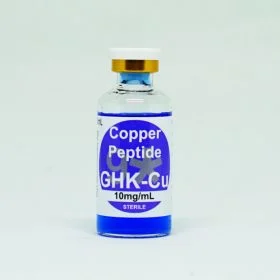
Copper Peptide – GHK-Cu
GHK-Cu effects are: activation of wound healing, attraction of immune cells, antioxidant and anti-inflammatory effects, stimulation of collagen and glycosaminoglycan synthesis in skin fibroblasts and promotion of blood vessels growth.
Recent studies also indicate its important role in stem cell biology and anti-tumor defense. Since Copper Peptide GHK plays an important role in skin biology, it is also widely used in cosmetics as a reparative and anti-aging ingredient.
Intramuscular injections is likely the way to use this product. There is some PIP, it’s simply the nature of good quality Copper Peptide GHK. A 1cc Luer-Lock syringe with a 30g x 1 inch needle is ideal for easy I.M. injection.
Dosage: 1.5-2mg per day
Frequency of injection: 1 injection per day or split dosage into multiple injections per day.
Duration: 5-10 days
Repeat cycle: once-twice a year
Be the first to review “Copper Peptide (Injury Support, Anti-Aging) 10mg/ml – Innovagen”
Related products
Anti-Aging
Anti-Aging

HGH & Pertides
HGH & Pertides
Anti-Aging
Anti-Aging
Anti-Aging
Reviews
There are no reviews yet.