

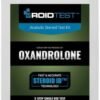

Anavar Troches: The Definitive Guide to Sublingual Oxandrolone Delivery Systems
Introduction: Understanding Troche Delivery Systems
The pharmaceutical world constantly evolves, developing innovative delivery methods to enhance medication effectiveness and patient compliance. Among these advancements, anavar troche formulations represent a significant development in hormone therapy administration. Anavar troches, specifically, offer an alternative method for delivering oxandrolone—a synthetic anabolic steroid with specific medical applications.
anavar troche, often called lozenges or sublingual tablets, dissolve slowly in the mouth, allowing medication absorption through the buccal mucosa (cheek tissue) and sublingual tissues (under the tongue). This administration method bypasses the gastrointestinal system and first-pass liver metabolism, potentially offering pharmacokinetic advantages over traditional oral tablets. For certain medications, including some hormone preparations, this delivery system provides unique benefits worth exploring in detail.
Oxandrolone Fundamentals: Understanding the Medication
Pharmacological Profile and Medical History
anavar troche, first developed in the 1960s and marketed under the brand name Anavar, represents a unique synthetic anabolic steroid derived from dihydrotestosterone. Its chemical structure features a modification at the second carbon position, where an oxygen atom replaces the carbon—a characteristic that gives the medication its name and influences its pharmacological properties.
Unlike many oral anabolic steroids, oxandrolone demonstrates relatively mild androgenic effects compared to its anabolic properties. This favorable anabolic-to-androgenic ratio initially made it appealing for various medical applications. The medication gained FDA approval for specific conditions, though its approved uses have narrowed over decades due to evolving medical understanding and regulatory considerations.
Legitimate Medical Applications
Physicians legitimately prescribe oxandrolone for specific, well-defined conditions under careful medical supervision:
Muscle Wasting Conditions: The FDA originally approved oxandrolone for preventing involuntary weight loss following extensive surgery, chronic infections, or severe trauma. Some physicians still use it off-label for HIV-related wasting and cancer cachexia under specific protocols.
Bone Pain Associated with Osteoporosis: Some studies investigated oxandrolone for osteoporosis management, though it never gained primary approval for this condition.
Turner Syndrome: Pediatric endocrinologists sometimes use oxandrolone to increase height potential in girls with Turner syndrome, typically combining it with growth hormone therapy.
Hepatitis-Associated Weight Loss: Historically, physicians used anavar troche for weight maintenance in alcoholic hepatitis patients, though this application has become less common with newer treatments.
Burn Recovery: Some burn centers employ oxandrolone to help preserve lean body mass during recovery from severe burns.
Troche Delivery: Mechanisms and Advantages
Sublingual and Buccal Absorption Pathways
Troche formulations leverage the rich vascular network of the oral mucosa. When patients place a troche under the tongue or against the cheek, the medication dissolves gradually in saliva. The active compounds then absorb directly through the mucous membranes into the bloodstream via several mechanisms:
Passive Diffusion: Most medications, including steroid hormones, absorb through lipid bilayer membranes of mucosal cells via concentration gradient-driven passive diffusion.
Transcellular Transport: Some compounds may utilize transport proteins to move through epithelial cells.
Paracellular Transport: Small molecules might pass between epithelial cells through tight junctions.
The sublingual region, with its thin epithelium and extensive blood supply, offers particularly efficient absorption for many lipophilic compounds like steroid hormones.
Pharmacokinetic Advantages Over Oral Administration
anavar troche delivery provides several potential pharmacokinetic benefits compared to traditional gastrointestinal absorption:
Avoidance of First-Pass Metabolism: Traditional oral oxandrolone undergoes extensive first-pass metabolism in the liver, where enzymes significantly reduce bioavailability. Sublingual administration bypasses this process, allowing more unchanged medication to reach systemic circulation.
Faster Onset of Action: Medication entering directly through oral mucosa typically reaches therapeutic levels more quickly than gastrointestinal absorption, which requires dissolution, gastric emptying, and intestinal absorption phases.
More Consistent Absorption: Gastrointestinal absorption can vary with food intake, gastrointestinal motility, pH changes, and other factors. Mucosal absorption generally proves more consistent between administrations.
Reduced Gastrointestinal Side Effects: Avoiding direct stomach exposure may reduce gastrointestinal discomfort some patients experience with oral medications.
Bioavailability Considerations
Research indicates sublingual administration generally increases oxandrolone bioavailability compared to oral ingestion. While exact percentages vary between studies and individuals, the improvement typically ranges from 30% to 80% increased bioavailability. This enhancement means patients might achieve similar therapeutic effects with lower doses when using troche formulations compared to traditional tablets.
However, bioavailability depends on numerous factors including:
-
Troche formulation quality
-
Individual variations in oral mucosa
-
Administration technique
-
Saliva production and pH
-
Duration the medication remains in contact with mucosa
Troche Formulation and Administration Protocols
Proper Troche Administration Technique
Correct administration maximizes absorption and therapeutic effectiveness:
Preparation: Patients should wash hands thoroughly before handling medication. They should ensure the mouth contains no food or beverages immediately before administration.
Placement: The troche typically goes under the tongue or between the cheek and gum. Sublingual placement often provides faster absorption due to thinner epithelium, while buccal placement may offer longer contact time.
Dissolution: Patients should allow the troche to dissolve completely without chewing or swallowing. Movement should minimize to prevent premature swallowing of dissolved medication.
Post-Administration Protocol: Patients typically avoid eating, drinking, or smoking for 15-30 minutes after administration to ensure complete absorption. They should not rinse the mouth immediately after dissolution.
Timing: Administration timing depends on medical indication and physician instructions. Some protocols recommend specific times relative to meals or other medications.
Dosing Considerations and Titration
anavar troche dosing requires careful consideration due to enhanced bioavailability:
Bioavailability Adjustment: Physicians typically prescribe lower milligram doses for troche administration compared to oral tablets, accounting for increased absorption efficiency.
Titration Protocols: Medical professionals usually begin with conservative doses, gradually increasing based on therapeutic response and tolerance. This approach helps identify the minimum effective dose for each individual.
Monitoring Parameters: Regular monitoring typically includes liver function tests, lipid profiles, and clinical assessment of therapeutic effects and side effects.
Compounding Pharmacy Considerations
Since pharmaceutical companies do not mass-produce oxandrolone troches, compounding pharmacies typically prepare these formulations. Patients should ensure they use reputable compounding pharmacies that:
-
Follow USP standards for sterile and non-sterile compounding
-
Use pharmaceutical-grade active ingredients
-
Employ stability-testing for formulations
-
Provide certificates of analysis for ingredients
-
Maintain proper storage and handling protocols
Clinical Applications and Therapeutic Considerations
Muscle Preservation in Catabolic States
Medical literature documents oxandrolone’s effectiveness in preserving lean body mass during catabolic conditions. The troche delivery method may enhance this application through several mechanisms:
Rapid Intervention: Faster absorption allows quicker therapeutic intervention when rapid muscle loss threatens patient health.
Consistent Blood Levels: More consistent absorption patterns help maintain stable medication levels, potentially improving anabolic effects on muscle tissue.
Reduced Liver Impact: Bypassing first-pass metabolism reduces hepatic exposure, potentially lowering liver-related side effects—a significant concern with oral 17-alpha-alkylated steroids.
Gender-Affirming Hormone Therapy
Some clinicians explore oxandrolone troches for specific applications in gender-affirming care:
Masculinizing Therapy: While testosterone remains the primary masculinizing hormone, some protocols incorporate oxandrolone for individuals who cannot tolerate testosterone or require additional anabolic effects.
Voice Deepening: Some evidence suggests oxandrolone may contribute to vocal fold thickening and voice deepening, though research remains limited.
Muscle Development Support: For transgender men and nonbinary individuals seeking increased muscularity, oxandrolone may offer targeted anabolic effects with relatively low androgenic impact.
Important considerations include:
-
Careful dose monitoring to avoid virilization beyond desired levels
-
Regular blood work to monitor metabolic parameters
-
Integration with comprehensive gender-affirming care
-
Informed consent regarding potential effects and limitations
Age-Related Sarcopenia Management
Some anti-aging and functional medicine practitioners investigate low-dose anavar troche for age-related muscle loss. The troche delivery method potentially offers advantages for elderly patients including:
Avoiding Swallowing Difficulties: Patients with dysphagia may find troche administration easier than traditional tablets.
Reduced Gastrointestinal Burden: Elderly patients often take multiple medications, making gastrointestinal-sparing delivery methods valuable.
Precision Dosing: The enhanced bioavailability allows lower milligram dosing, potentially reducing side effect risks.
However, oxandrolone use in healthy elderly populations remains controversial and largely off-label. Responsible practitioners emphasize comprehensive evaluation, conservative dosing, and meticulous monitoring if considering this application.
Safety Profile and Risk Management
Liver Function Considerations
Despite bypassing first-pass metabolism, oxandrolone still presents potential hepatotoxicity risks:
Direct Hepatotoxicity: Oxandrolone can cause dose-dependent liver enzyme elevations, particularly in alkaline phosphatase and transaminases. While generally reversible upon discontinuation, these changes require monitoring.
Cholestatic Effects: Some patients develop cholestatic jaundice with oxandrolone use, though this appears less common than with other 17-alpha-alkylated steroids.
Monitoring Protocol: Regular liver function testing (typically every 4-8 weeks initially) remains essential regardless of administration method. Patients should immediately report symptoms like jaundice, dark urine, or abdominal pain.
Cardiovascular and Metabolic Effects
Oxandrolone influences several cardiovascular and metabolic parameters:
Lipid Profile Impact: Most patients experience decreased HDL cholesterol and increased LDL cholesterol, potentially elevating cardiovascular risk. These changes typically reverse after discontinuation but require monitoring during therapy.
Blood Pressure: Some individuals develop hypertension during oxandrolone therapy, necessitating regular blood pressure monitoring.
Fluid Retention: Mild fluid retention occasionally occurs, potentially exacerbating hypertension or congestive heart failure in susceptible individuals.
Insulin Sensitivity: Oxandrolone may reduce insulin sensitivity in some patients, particularly at higher doses or in predisposed individuals.
Endocrine System Considerations
Oxandrolone affects the hypothalamic-pituitary-gonadal axis:
Gonadotropin Suppression: Like other androgens, oxandrolone suppresses luteinizing hormone and follicle-stimulating hormone secretion, potentially reducing endogenous testosterone production in men and disrupting menstrual cycles in women.
Testicular Atrophy: Men using oxandrolone may experience testicular shrinkage due to suppressed gonadotropins. This effect is generally reversible but may require months for complete recovery.
Virilization in Women: Female patients risk virilization effects including voice deepening, clitoral enlargement, and facial hair growth. These changes may become irreversible with prolonged use or higher doses.
Comparing Administration Methods: Troches vs. Traditional Formats
Troches vs. Oral Tablets
The traditional oral tablet remains the most common oxandrolone formulation. Comparing administration methods reveals distinct differences:
Bioavailability: Troches typically offer higher bioavailability than oral tablets.
Onset of Action: anavar troche generally provide faster onset due to direct mucosal absorption.
Liver Exposure: Troches reduce first-pass hepatic metabolism, potentially lowering liver strain.
Convenience: Tablets offer simpler administration without requiring specific placement or dissolution time.
Dosing Precision: The enhanced bioavailability of troches allows lower milligram dosing, potentially improving precision.
Stability: Traditional tablets typically demonstrate better long-term stability than compounded troches.
Troches vs. Transdermal Preparations
Some compounding pharmacies prepare transdermal oxandrolone formulations. Comparison reveals:
Absorption Consistency: anavar troche typically provide more consistent absorption than transdermal preparations, which vary with skin characteristics, application site, and environmental factors.
Dosing Control: Troche dissolution allows better control over administered dose compared to transdermal absorption rates.
Transfer Risk: Troches eliminate the transfer risk associated with transdermal gels and creams.
Application Frequency: Troches typically require less frequent administration than many transdermal formulations.
Skin Reactions: anavar troche avoid potential skin irritation from transdermal carriers.
Troches vs. Injectable Formulations
Injectable oxandrolone esters exist in some markets, offering different characteristics:
Administration Frequency: Troches typically require daily administration, while injections may be less frequent.
Pain and Discomfort: Troches avoid injection-related pain and potential site reactions.
Peak-Trough Variations:anavar troche may produce less dramatic peak-trough fluctuations than injection cycles.
Sterility Concerns: Properly manufactured injectables ensure sterility, while troches carry lower infection risk.
Patient Preference: Many patients prefer non-invasive administration methods when available.
Legal Status and Prescription Requirements
United States Regulatory Framework
Oxandrolone holds Schedule III controlled substance status in the United States under the Anabolic Steroid Control Act. This classification means:
Prescription Requirement: Only licensed healthcare providers with appropriate prescribing authority can legally prescribe oxandrolone.
Pharmacy Restrictions: Only licensed pharmacies can dispense anavar troche, whether as manufactured tablets or compounded formulations.
Compounding Regulations: Compounding pharmacies must follow specific regulations when preparing oxandrolone troches, including using legitimate pharmaceutical-grade ingredients and maintaining proper documentation.
Record-Keeping Requirements: Pharmacies must maintain detailed records of anavar troche dispensing due to its controlled substance status.
International Regulatory Variations
Legal status varies significantly worldwide:
United Kingdom: Oxandrolone is a prescription-only medication (POM) classified as a controlled drug.
Canada: Health Canada classifies oxandrolone as a Schedule IV controlled substance available by prescription only.
Australia: The Therapeutic Goods Administration schedules anavar troche as a Schedule 4 prescription medication with additional state-level controls.
European Union: Most member states classify anavar troche as a prescription-only medication with varying additional controls.
Prescription Legitimacy and Medical Supervision
Legitimate oxandrolone therapy requires:
Comprehensive Medical Evaluation: Proper assessment including medical history, physical examination, and laboratory testing to establish medical necessity.
Diagnosis Documentation: A legitimate medical diagnosis justifying oxandrolone use according to approved or accepted off-label indications.
Informed Consent: Discussion of potential benefits, risks, alternatives, and monitoring requirements.
Ongoing Supervision: Regular follow-up appointments and laboratory monitoring to assess effectiveness and detect adverse effects early.
Patient Considerations and Quality of Life Factors
Quality of Life Assessments
Patients considering anavar troche therapy should evaluate potential quality of life impacts:
Therapeutic Benefits: Realistic expectations regarding potential improvements in strength, body composition, or specific medical symptoms.
Administration Burden: Willingness to follow proper troche administration protocols consistently.
Monitoring Requirements: Commitment to regular blood tests and medical appointments.
Cost Considerations: Insurance coverage varies for compounded medications, potentially creating significant out-of-pocket expenses.
Social and Occupational Factors: Consideration of how treatment might affect personal and professional life.
Patient Education Components
Comprehensive patient education should include:
Proper Administration Techniques: Detailed instruction on troche placement, dissolution, and post-administration protocols.
Recognizing Side Effects: Education about common and serious side effects requiring medical attention.
Interaction Awareness: Discussion of potential medication and supplement interactions.
Adherence Importance: Explanation of why consistent administration and monitoring are crucial for safety and effectiveness.
Realistic Timelines: Clear expectations about when therapeutic effects might become noticeable and how long treatment may continue.
Future Directions and Emerging Research
Formulation Advancements
Pharmaceutical science continues advancing troche delivery systems:
Enhanced Bioavailability: Research explores absorption enhancers that might further improve mucosal drug delivery.
Sustained-Release Formulations: Some developers investigate extended-dissolution troches that provide more consistent medication release over time.
Taste-Masking Technologies: Improved flavoring and coating technologies may enhance patient acceptance and compliance.
Stability Improvements: Advanced excipients and packaging may extend anavar troche shelf life and stability.
Expanding Clinical Applications
Research continues exploring potential oxandrolone applications:
Genetic Muscle Disorders: Some studies investigate oxandrolone for Duchenne muscular dystrophy and other genetic myopathies.
Critical Illness Recovery: Research examines whether anavar troche might improve outcomes in ICU patients experiencing severe catabolism.
Frailty Prevention: Ongoing studies explore whether low-dose anavar troche might help prevent frailty in vulnerable elderly populations.
Cancer Cachexia: Despite historical use, researchers continue refining protocols for cancer-related wasting syndromes.
Personalized Medicine Approaches
Future oxandrolone therapy may become increasingly personalized:
Pharmacogenetic Testing: Genetic testing might identify patients with enhanced responsiveness or increased side effect risks.
Precision Dosing: Advanced monitoring combined with pharmacokinetic modeling may enable more precise dose individualization.
Combination Therapies: Research explores optimal combinations with other medications like selective androgen receptor modulators or myostatin inhibitors.
Conclusion: Responsible Approaches to Specialized Medication Delivery
Anavar troches represent a specialized medication delivery method with specific applications in hormone therapy. This administration approach offers potential pharmacokinetic advantages over traditional oral tablets while presenting unique considerations regarding formulation, administration, and monitoring.
Legitimate anavar troche therapy requires comprehensive medical evaluation, clear diagnostic justification, meticulous supervision, and informed patient participation. The troche delivery method may benefit specific patient populations, particularly those who require consistent absorption, wish to minimize gastrointestinal effects, or need to reduce hepatic first-pass metabolism.
As with all hormone therapies, oxandrolone carries significant potential risks requiring careful management. The relatively mild side effect profile compared to other anabolic steroids does not eliminate the need for vigilant monitoring and conservative dosing, particularly with the enhanced bioavailability of troche administration.
Patients considering this therapy should seek evaluation by experienced healthcare providers knowledgeable about hormone therapies and specialized delivery methods. Comprehensive education about proper administration, potential effects, monitoring requirements, and realistic expectations forms the foundation of safe and effective treatment.
The future of hormone delivery continues evolving, with troche formulations representing one option among many. As research advances, more refined delivery systems will likely emerge, offering improved effectiveness, safety, and convenience for patients requiring specialized hormone therapies

Be the first to review “Anavar Troche (Oxandrolone Troches)”
Related products

Anavar - Oxandrolone

Anti-Aging
Oral Steroids
Oral Steroids
Anadrol - Oxymetholone
Dianabol
Anti-Aging
Reviews
There are no reviews yet.