
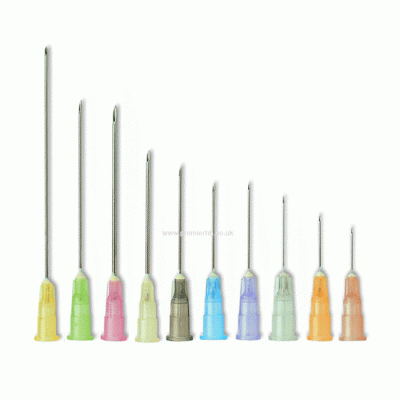
The Complete Guide to 25 Gauge 1.5 Inch Needles: Everything You Need to Know
Introduction: Understanding Needle Specifications
Medical professionals and patients frequently encounter various needle sizes, but few specifications generate as much discussion as the 25 gauge 1.5 inch needle. This particular needle represents a careful balance between patient comfort and clinical effectiveness. Healthcare providers across multiple specialties rely on this specific gauge and length combination for its versatility and reliability.
Throughout this comprehensive guide, we will explore every aspect of 25 gauge 1.5 inch needles. We will examine their medical applications, compare them with other needle sizes, and provide practical guidance for proper usage. Whether you are a healthcare professional seeking technical information or a patient wanting to understand your treatment better, this guide offers valuable insights into this essential medical tool.
What Does “25 Gauge 1.5 Inch” Actually Mean?
Understanding Needle Gauge Measurements
The “gauge” measurement refers to the diameter of a needle, but interestingly, lower gauge numbers indicate larger diameters. This counterintuitive system originates from wire manufacturing standards that predate modern medicine. A 25 gauge needle measures approximately 0.515 millimeters in diameter, making it significantly finer than common 21 or 22 gauge needles used for blood donations.
The “1.5 inch” measurement refers to needle length, which in this case equals 3.81 centimeters. This length allows the needle to reach intramuscular depths in most adult patients while maintaining sufficient stability during injection. The combination of these specifications creates a needle that balances patient comfort with clinical effectiveness for specific applications.
Comparison with Other Common Needle Sizes
Healthcare providers typically choose needles based on the medication’s viscosity, injection site characteristics, and patient comfort requirements. Let’s compare the 25 gauge 1.5 inch needle with other commonly used sizes:
-
22 gauge 1.5 inch needles: These have a larger diameter (approximately 0.717 mm) and work better for thicker medications, but they cause more discomfort during insertion
-
23 gauge 1 inch needles: Shorter length makes them suitable for subcutaneous injections but insufficient for deep intramuscular applications
-
27 gauge 0.5 inch needles: Much finer and shorter, these excel for insulin injections and pediatric applications
The 25 gauge needle occupies a unique middle ground—fine enough to minimize discomfort yet sturdy enough to handle most common injectable medications without bending or clogging.
Primary Medical Applications of 25 Gauge 1.5 Inch Needles
Intramuscular Injections: The Primary Application
Healthcare providers most commonly use 25 gauge 1.5 inch needles for intramuscular (IM) injections. The 1.5 inch length reliably penetrates through subcutaneous tissue to reach the muscle layer in most adult patients. Common IM injections using this needle size include:
-
Vaccinations: Many adult vaccines, including influenza, tetanus, and hepatitis B vaccines
-
Antibiotics: Certain antibiotic formulations requiring deep tissue delivery
-
Hormone therapies: Testosterone, progesterone, and other hormone treatments
-
Anti-inflammatory medications: Corticosteroids and other anti-inflammatory drugs
The relatively fine 25 gauge diameter significantly reduces injection pain compared to larger needles, which improves patient compliance with vaccination schedules and ongoing treatments.
Specialized Medical Procedures
Beyond standard IM injections, 25 gauge 1.5 inch needles serve specific purposes in specialized medical contexts:
-
Dental anesthesia: Some dentists prefer this size for certain nerve block techniques
-
Dermatological procedures: For administering intralesional corticosteroids in conditions like alopecia areata or keloid scars
-
Trigger point injections: For myofascial pain syndrome treatment
-
Joint aspirations: In smaller joints where precision matters more than volume extraction
Technical Advantages of the 25 Gauge 1.5 Inch Configuration
Patient Comfort and Reduced Pain Perception
Pain perception during needle insertion directly correlates with needle diameter. Research consistently shows that finer needles like the 25 gauge cause significantly less pain than larger gauges. A 2018 study in the Journal of Pain Research demonstrated that patients reported 40% less pain with 25 gauge needles compared to 22 gauge needles for intramuscular vaccinations.
Additionally, the 1.5 inch length provides sufficient stability during injection, preventing excessive needle movement that can cause tissue trauma and post-injection soreness. The combination of reduced insertion pain and stable delivery makes this needle size particularly suitable for patients with needle anxiety.
Medication Delivery Efficiency
Despite its fine diameter, the 25 gauge needle effectively delivers most common medications. Modern manufacturing techniques ensure smooth inner surfaces that minimize friction and allow consistent flow rates. Healthcare providers can administer 1-3 mL volumes comfortably within standard timeframes using this needle size.
The length proves particularly important for medication efficacy. Many medications require intramuscular rather than subcutaneous deposition for proper absorption. The 1.5 inch length reliably reaches muscle tissue in most adults, even those with substantial subcutaneous fat layers.
Safety Features and Modern Enhancements
Modern 25 gauge 1.5 inch needles incorporate multiple safety features:
-
Safety-engineered devices: Many now include retractable mechanisms or protective shields that activate after use
-
Ultra-sharp tips: Laser-cut, triple-beveled points that penetrate with minimal resistance
-
Silicone coatings: Reduce friction during insertion, further decreasing discomfort
-
Clear hubs: Allow visualization of blood flashback for proper placement verification
These enhancements transform what was once a simple stainless steel tube into a sophisticated medical device optimized for both effectiveness and safety.
Clinical Best Practices for 25 Gauge 1.5 Inch Needles
Proper Injection Technique
Healthcare professionals should follow these steps for optimal results with 25 gauge 1.5 inch needles:
-
Patient positioning: Position the patient comfortably with the target muscle relaxed
-
Site selection: Choose appropriate injection sites—typically deltoid, vastus lateralis, or ventrogluteal muscles
-
Skin preparation: Cleanse with appropriate antiseptic using firm circular motions
-
Needle insertion: Insert the needle at a 90-degree angle with a quick, smooth motion
-
Aspiration: Gently pull back on the plunger for 5-10 seconds to check for blood return
-
Medication administration: Inject slowly and steadily (approximately 1 mL per 10 seconds)
-
Withdrawal: Remove the needle smoothly at the same angle of insertion
-
Post-injection care: Apply gentle pressure without massaging the area
Site-Specific Considerations
Different injection sites require specific considerations:
-
Deltoid muscle: Ideal for volumes up to 1 mL, easily accessible but has smaller muscle mass
-
Vastus lateralis: Can accommodate larger volumes (up to 3 mL), good for self-administration
-
Ventrogluteal site: Excellent for volumes up to 3 mL, minimal nerves and blood vessels
-
Dorsogluteal site: Now generally discouraged due to sciatic nerve proximity risk
The 1.5 inch length works well for all these sites in average-sized adults, though clinicians may choose shorter needles for pediatric patients or those with minimal subcutaneous tissue.
Special Patient Populations
Certain patient groups require specific considerations:
-
Pediatric patients: Generally require shorter needles (0.5-1 inch) based on age and muscle development
-
Geriatric patients: Often have reduced muscle mass, requiring careful site selection
-
Obese patients: May require longer needles to reach muscle tissue through substantial subcutaneous fat
-
Patients with bleeding disorders: Require extended pressure application after injection
Comparison with Alternative Needle Sizes
25 Gauge vs. 23 Gauge Needles
Many healthcare providers debate the merits of 25 gauge versus 23 gauge needles for similar applications. Let’s examine the key differences:
-
Pain perception: 25 gauge causes approximately 25% less insertion pain based on patient reports
-
Flow rate: 23 gauge allows faster administration of viscous medications
-
Clogging risk: 25 gauge has slightly higher risk with particulate medications
-
Structural integrity: 23 gauge offers more rigidity during challenging injections
For most standard vaccinations and non-viscous medications, the 25 gauge provides superior patient comfort with minimal practical drawbacks.
1.5 Inch vs. 1 Inch Length Considerations
Length selection depends primarily on target tissue depth:
-
1.5 inch needles: Essential for intramuscular injections in average and larger adults
-
1 inch needles: Appropriate for subcutaneous injections or intramuscular injections in slender adults
-
5/8 inch needles: Standard for subcutaneous injections in most patients
Research shows that approximately 15-20% of intramuscular injections with 1 inch needles actually deposit medication in subcutaneous tissue in average-sized adults, potentially affecting medication absorption and efficacy.
Industry Standards and Regulatory Considerations
Manufacturing Standards and Quality Control
Reputable manufacturers produce 25 gauge 1.5 inch needles under strict quality controls:
-
ISO standards: Compliance with ISO 7864 for sterile hypodermic needles
-
Material specifications: Medical-grade stainless steel with specific hardness and flexibility characteristics
-
Sterility assurance: Validated sterilization processes, typically ethylene oxide or gamma irradiation
-
Packaging integrity: Tamper-evident packaging that maintains sterility until use
Regulatory Classifications
In most jurisdictions, 25 gauge 1.5 inch needles fall under Class II medical device regulations. This classification requires:
-
Premarket notification (510(k) in the United States)
-
Quality system regulations for manufacturing
-
Post-market surveillance for adverse event reporting
-
Clear labeling with gauge, length, intended use, and safety information
Healthcare facilities should only purchase needles from manufacturers with appropriate regulatory clearances in their region.
Cost Considerations and Healthcare Economics
Price Comparison with Other Needle Sizes
Interestingly, 25 gauge 1.5 inch needles typically cost only 5-15% more than standard 23 gauge 1 inch needles despite their specialized applications. The price differential stems from:
-
Material requirements: Finer gauge needles require more precise manufacturing
-
Market volume: Lower production volumes compared to standard sizes
-
Safety features: Many include enhanced safety mechanisms
When considering total treatment costs, the modest price premium often justifies itself through improved patient comfort and potentially better treatment compliance.
Insurance Coverage and Reimbursement
Most health insurance plans cover 25 gauge 1.5 inch needles when medically necessary. Documentation requirements typically include:
-
Prescription or medical order specifying the needle gauge and length
-
Diagnosis code supporting medical necessity
-
Procedure code for the associated injection or blood draw
Healthcare providers should verify coverage specifics with individual insurance carriers, as policies vary regarding needle and syringe coverage.
Emerging Trends and Future Developments
Technological Advancements in Needle Design
The future of 25 gauge 1.5 inch needles includes several promising developments:
-
Microneedle arrays: May eventually replace traditional needles for certain applications
-
Smart needles: Incorporating sensors to confirm proper tissue placement
-
Biodegradable needles: Reducing sharps waste and disposal concerns
-
Vibration technology: Incorporating micro-vibrations to further reduce pain perception
Changing Clinical Guidelines
Recent evidence-based guidelines show several trends affecting 25 gauge 1.5 inch needle usage:
-
Increased emphasis on patient comfort and experience
-
Recognition that proper needle length affects medication efficacy
-
Expanding applications in cosmetic and aesthetic medicine
-
Growing preference for safety-engineered devices to reduce needlestick injuries
Common Questions About 25 Gauge 1.5 Inch Needles
Frequently Asked Questions
Q: Can 25 gauge 1.5 inch needles be used for all intramuscular injections?
A: While suitable for most IM injections, extremely viscous medications or large volumes (over 3 mL) may require larger gauge needles for practical administration.
Q: How do I know if 1.5 inches is the right length for my patient?
A: Assess the injection site by pinching the subcutaneous tissue. If the skinfold measures more than 2 inches compressed, consider a longer needle. For most average-weight adults, 1.5 inches is appropriate.
Q: Are 25 gauge needles more likely to bend or break?
A: Modern manufacturing creates needles with excellent flexibility and strength. When used properly at 90-degree angles, bending or breaking is extremely rare.
Q: Can patients reuse 25 gauge 1.5 inch needles?
A: Absolutely not. All hypodermic needles are single-use devices. Reusing needles contaminates the needle, increases infection risk, and dulls the tip, causing more tissue damage.
Q: How should I dispose of used 25 gauge 1.5 inch needles?
A: Immediately place used needles in FDA-cleared sharps containers. Never place loose needles in regular trash or recycling bins.
Conclusion: The Essential Role of Proper Needle Selection
The 25 gauge 1.5 inch needle represents an optimal balance in many clinical situations. Its design successfully addresses competing priorities: patient comfort versus medication delivery efficiency, superficial access versus deep tissue penetration, and fine gauge versus structural integrity.
Healthcare providers who understand the specific advantages of this needle size can make more informed clinical decisions that improve both patient experience and treatment outcomes. Meanwhile, patients who learn about these technical details often feel more confident and less anxious about necessary medical procedures
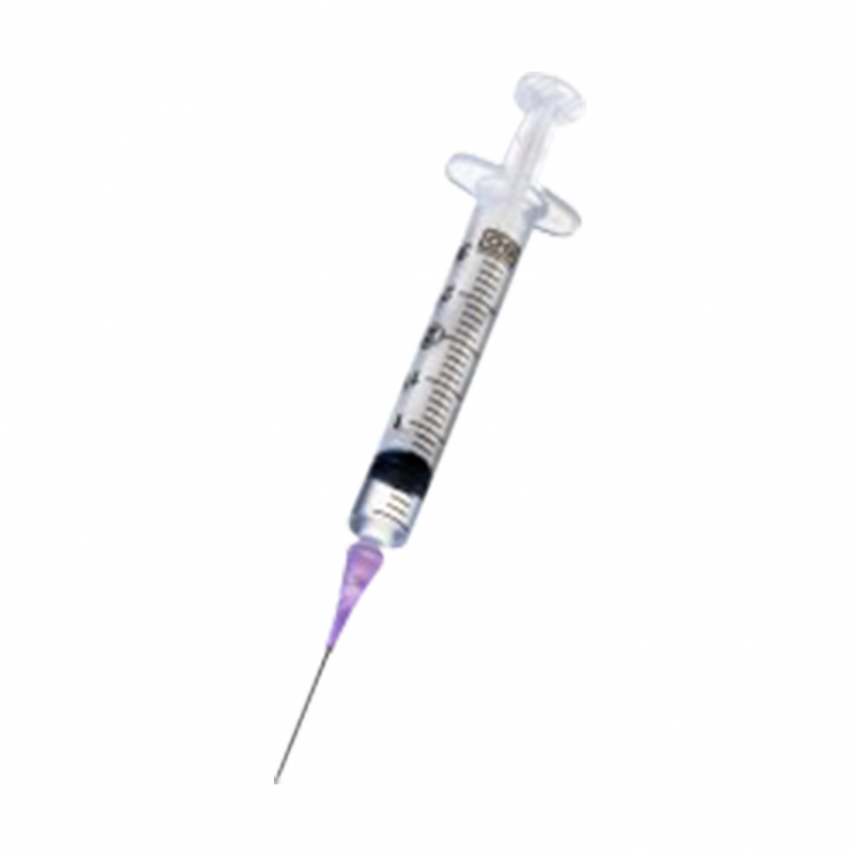
25 gauge 1.5 inch 3 mm BD syringe with parts made in Canada. This syringes designed for smaller sized muscles and muscle areas, they are perfect for transitioning into a larger size through training.
Be the first to review “10 (TEN) 25G 1.5″ 3ml Syringe with Needle”
Related products

Syringes & Accessories
Syringes & Accessories
Syringes & Accessories

Syringes & Accessories
Syringes & Accessories

Drawing Needles
Syringes & Accessories
Syringes & Accessories
Reviews
There are no reviews yet.