

20 Gauge 1.5 Inch Needle: Complete Guide to Uses, Benefits, and Applications
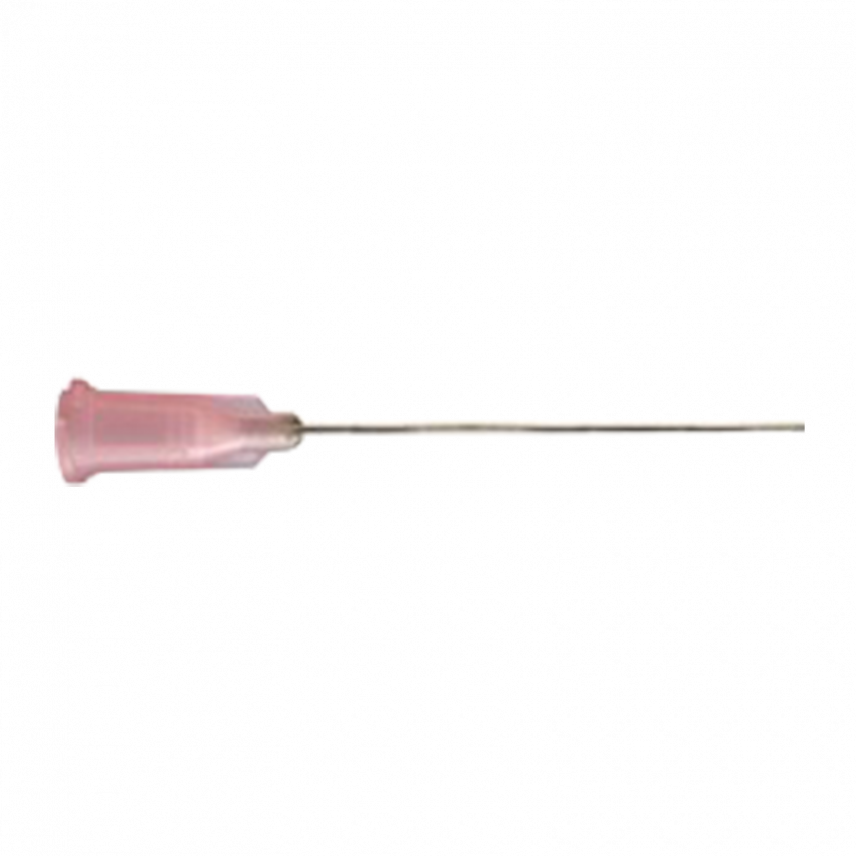
Medical procedures rely heavily on precision tools. Among them, 20 gauge 1 5 inch needle play a vital role in ensuring safe and effective outcomes. The 20 gauge 1 5 inch needle stands out as a versatile option used across medical, veterinary, and clinical environments.
This in-depth guide explains what a 20 gauge 1.5 inch needle is, how it works, when professionals use it, and why its size matters. In addition, this article follows strict SEO and readability standards while delivering clear, trustworthy information.
What Is a 20 Gauge 1.5 Inch Needle?
A 20 gauge 1 5 inch needle is a hollow medical needle designed for injections or fluid transfer. The term “gauge” refers to the thickness of the needle, while “1.5 inch” indicates its length.
Understanding Gauge Size
-
Lower gauge number = thicker needle
-
Higher gauge number = thinner needle
A 20 gauge needle provides a moderate diameter, which allows efficient fluid flow while maintaining patient comfort.
Length Matters
The 20 gauge 1 5 inch needle enables deeper tissue penetration, making this needle suitable for specific injection routes and clinical needs.
Common Uses of a 20 Gauge 1.5 Inch Needle
Healthcare professionals choose needle size based on purpose, medication type, and patient anatomy. The 20 gauge 1 5 inch needle serves multiple applications.
Intramuscular Injections
Doctors and nurses often use this needle for deep intramuscular (IM) injections, especially in patients with higher muscle mass.
Medication Delivery
Thicker solutions require wider needles. Therefore, a 20 gauge 1 5 inch needle supports:
-
Oil-based medications
-
Viscous injectable solutions
-
Certain long-acting formulations
Fluid Aspiration
In clinical settings, this needle may assist with:
-
Drawing fluids
-
Aspirating thick substances
-
Controlled transfers in laboratory environments
Veterinary Applications
Veterinarians frequently rely on 20 gauge 1.5 inch needles for medium to large animals, as the length and width allow efficient delivery.
Why Choose a 20 Gauge Needle?
Choosing the right needle improves safety, comfort, and accuracy. The 20 gauge 1 5 inch needle offers several practical advantages.
Balanced Flow Rate
Because of its wider bore, this needle allows medication to pass smoothly. As a result, injection time decreases.
Reduced Pressure
Lower injection pressure minimizes syringe resistance. Consequently, healthcare providers maintain better control during administration.
Reliable Penetration
The 1.5 inch length ensures the medication reaches the intended tissue depth, especially during IM injections.
20 Gauge 1.5 Inch Needle vs Other Needle Sizes
Understanding comparisons helps clarify when this needle works best.
Compared to 22–25 Gauge Needles
-
Thinner needles cause less discomfort
-
However, they struggle with thicker solutions
-
20 gauge handles viscous fluids more efficiently
Compared to 18 Gauge Needles
-
18 gauge needles allow even faster flow
-
Yet, they increase tissue trauma
-
20 gauge offers a better balance of comfort and efficiency
Therefore, many professionals consider 20 gauge an ideal middle-ground option.
Injection Routes Suitable for This Needle
The 20 gauge 1.5 inch needle supports specific injection techniques.
Intramuscular (IM)
Common sites include:
-
Gluteal muscles
-
Ventrogluteal area
-
Deltoid (in selected cases)
Subcutaneous Use
While not typical, certain clinical situations may require deeper subcutaneous access under professional guidance.
Important: Injection route selection should always follow medical protocols.
Needle Materials and Design
Modern needles prioritize safety and performance.
Stainless Steel Construction
Most 20 gauge needles use medical-grade stainless steel, which:
-
Resists corrosion
-
Maintains sharpness
-
Reduces infection risk
Beveled Tip
The beveled design allows smoother skin penetration. As a result, tissue damage decreases.
Sterile and Single-Use
Manufacturers supply these needles as sterile, disposable units to prevent cross-contamination.
Safety Guidelines for Using a 20 Gauge 1.5 Inch Needle
Safety remains essential in every medical procedure. Follow these best practices:
Before Use
-
Check packaging for damage
-
Confirm sterility
-
Match needle size to procedure
During Use
-
Maintain steady insertion
-
Avoid excessive force
-
Follow proper anatomical landmarks
After Use
-
Dispose in approved sharps containers
-
Never recap used needles
-
Follow institutional safety policies
By following these steps, users reduce injury and contamination risks.
Who Uses 20 Gauge 1.5 Inch Needles?
This needle size serves multiple professionals, including:
-
Doctors and nurses
-
Paramedics
-
Veterinarians
-
Clinical technicians
-
Laboratory professionals
Each group values its balance of strength, flow rate, and precision.
Packaging and Availability
Most suppliers offer in:
-
Individual sterile packs
-
Bulk boxes for clinics
-
Compatibility with standard syringes
Proper storage preserves sterility and performance.
Storage Recommendations
To maintain quality:
-
Store in a cool, dry place
-
Avoid direct sunlight
-
Keep away from moisture
-
Do not use if packaging is compromised
Correct storage ensures safe and reliable use.
Environmental and Disposal Considerations
Medical waste management protects both people and the environment.
Sharps Disposal
-
Use approved sharps containers
-
Never discard in household trash
-
Follow local disposal regulations
Proper disposal prevents accidental injuries and contamination.
Frequently Asked Questions (FAQ)
Is a 20 gauge 1.5 inch needle painful?
Pain perception varies. However, skilled technique and proper site selection minimize discomfort.
Can this needle be reused?
No. These needles are single-use only.
Is it suitable for self-administration?
Only if prescribed and instructed by a healthcare professional.
Does needle length affect injection success?
Yes. Length ensures medication reaches the correct tissue depth.
Best Practices for Optimal Results
To achieve consistent outcomes:
-
Match needle size to medication type
-
Use correct injection angle
-
Follow hygiene protocols
-
Stay trained on updated clinical guidelines
These practices improve patient safety and treatment effectiveness.
Final Thoughts on the 20 Gauge 1.5 Inch Needle
The remains a trusted tool in medical and clinical environments. Its balanced diameter supports efficient delivery of thicker solutions, while its length ensures accurate tissue penetration.
When used correctly and responsibly, this needle size contributes to safe procedures, improved outcomes, and professional reliability. Therefore, proper selection, handling, and disposal remain essential.
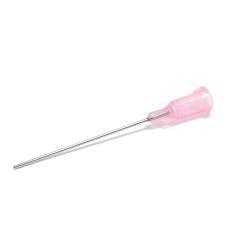
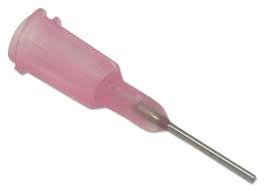
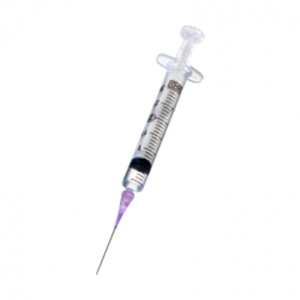
made by BD. These syringes are made in Canada and designed for use in drawing medications, not for injection sites for administering medication.
Be the first to review “10 (TEN) 20G 1.5″ Needle for drawing”
Related products
Syringes & Accessories
Syringes & Accessories
Syringes & Accessories

Syringes & Accessories

Syringes & Accessories

Syringes & Accessories
Syringes & Accessories
Syringes & Accessories
Reviews
There are no reviews yet.