
Uncategorized
How to Reconstitute Peptide Vials Safely
Jul
If you are using peptides to support recovery, performance, body composition, or anti-aging goals, knowing how to reconstitute peptide vials the right way is not optional. A bad mix can ruin the compound, throw off your dosing, or increase contamination risk. When you are paying for genuine, lab-certified gear, the last thing you want is to waste it through sloppy prep.
What reconstituting a peptide vial actually means
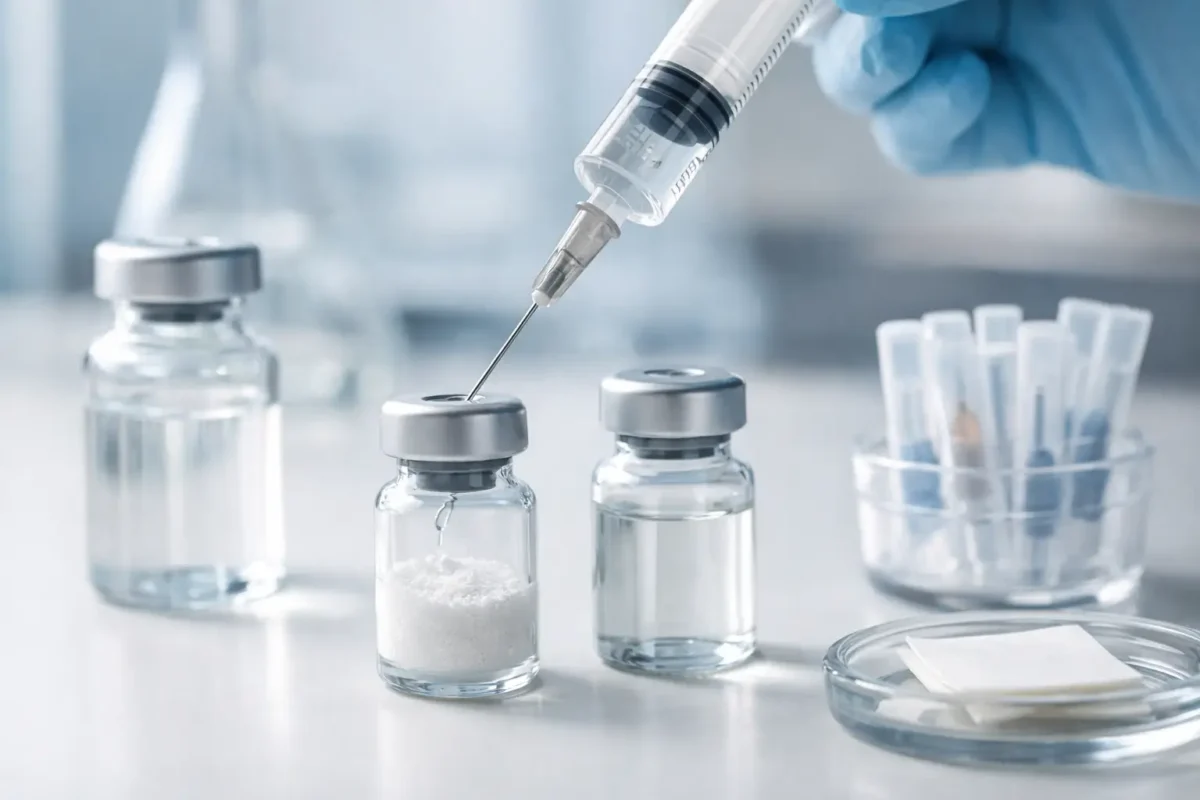
Most peptides arrive in lyophilized form, which is just a freeze-dried powder sitting in a sterile vial. Reconstitution means adding a sterile liquid so that powder dissolves into a usable solution for accurate dosing.
This sounds simple, and in principle it is. But details matter. The amount of liquid you add changes how concentrated the peptide becomes, which directly affects how much you draw into your syringe. That is why experienced users treat peptide prep the same way they treat cycle planning – with precision.
What you need before you start
Before you touch the vial, set up a clean workspace and gather everything first. You typically need the peptide vial, bacteriostatic water or another appropriate sterile diluent, an alcohol swab, a sterile syringe, and a clean place to work.
Bacteriostatic water is the most common choice because it contains a preservative that helps limit bacterial growth after the vial is opened. Some peptides may have product-specific instructions, so if the manufacturer provides them, follow those over general advice. Not every compound behaves exactly the same, and that trade-off matters if stability is your priority.
Your gear should be sterile and your hands should be clean. That sounds basic, but contamination usually happens during routine steps people rush through because they think they already know what they are doing.
How to reconstitute peptide vials step by step
1. Clean the tops of both vials
Wipe the rubber stopper on the peptide vial and the diluent vial with alcohol. Let them dry for a few seconds. Do not wipe and immediately puncture while the alcohol is still wet.
2. Draw your diluent
Use a sterile syringe to pull the amount of bacteriostatic water you plan to add. The amount depends on the peptide quantity in the vial and how concentrated you want the final solution to be.
For example, if you have a 5 mg peptide vial and add 2 mL of bacteriostatic water, your final concentration becomes 2.5 mg per mL. If you add 5 mL instead, the solution is less concentrated, which can make small doses easier to measure. Neither choice is automatically better. It depends on your protocol, your dosing precision, and the syringe markings you are using.
3. Inject slowly against the glass wall
Insert the needle into the peptide vial and let the liquid run slowly down the inside wall of the vial. Do not blast the water directly onto the powder with force. Some peptides are more delicate than others, and aggressive pressure can cause foaming or degrade the compound.
This is one of the most common mistakes. People get impatient, force the liquid in quickly, then wonder why the vial looks off.
4. Let the powder dissolve gently
Once the water is in, do not shake the vial hard. Gently swirl or roll it between your fingers if needed. Many peptides dissolve on their own after a few minutes. If the powder does not disappear immediately, that does not always mean something is wrong.
Shaking can damage fragile peptide chains. Gentle handling protects the quality of the product and helps you get the consistent results you paid for.
5. Check the solution
The final liquid should usually look clear and free of visible particles, though appearance can vary slightly depending on the compound. If you see cloudiness, floating debris, discoloration, or anything unusual, stop and reassess before using it.
A properly reconstituted peptide vial should not look contaminated or unstable. If it does, do not gamble with it.
How much bacteriostatic water should you add?
This is where people overcomplicate things. There is no universal amount that works for every peptide. The right volume depends on the peptide strength in the vial and how easy you want the math to be for your target dose.
A more concentrated mix means smaller injection volume, which some users prefer. A less concentrated mix can make microdosing more accurate because each unit on the syringe represents a smaller amount of peptide. If your dose is tiny, adding more diluent can make measurement easier and reduce user error.
As a basic example, a 10 mg vial mixed with 2 mL gives you 5 mg per mL. That same 10 mg vial mixed with 4 mL gives you 2.5 mg per mL. The peptide amount has not changed. Only the concentration has.
That distinction matters because a lot of dosing mistakes come from confusing total peptide content with the amount per syringe unit.
Common mistakes when learning how to reconstitute peptide vials
The biggest mistake is poor sterile technique. Touching the needle, using dirty surfaces, reusing supplies, or leaving the vial uncapped and exposed all raise contamination risk.
The second major mistake is using the wrong amount of diluent and then guessing the dose afterward. Guesswork is not a strategy. If you want reliable outcomes, know your vial strength, know how much liquid you added, and know exactly what each syringe mark represents.
The third mistake is rough handling. Peptides are not all equally fragile, but there is no upside to shaking them hard or slamming diluent directly into the powder. Slow and controlled wins here.
Storage errors also cause problems. Once reconstituted, many peptides need refrigeration to maintain stability. Leaving them at room temperature too long can reduce potency. Again, exact storage can vary by compound, so product-specific guidance matters.
Storage after reconstitution
After mixing, store the vial in the refrigerator unless the product instructions say otherwise. Keep it away from heat, light, and unnecessary handling. Every time you puncture the stopper, use a sterile needle and wipe the top with alcohol first.
Do not keep reconstituted peptides indefinitely. Even with bacteriostatic water, the solution has a usable window. Different users quote different timelines, but the smartest move is to stay conservative and use the vial within the recommended period for that specific product.
If you are investing in scientifically tested compounds for real physique or recovery goals, protecting potency is part of the process.
Why dosing accuracy matters more than people admit
Reconstitution is not just about getting powder to disappear in water. It is about making sure your dose is what you think it is. If your concentration is off, every injection after that is off too.
That matters whether your goal is fat loss, recovery, sleep support, tissue repair, or performance enhancement. Too little may do nothing. Too much may increase side effects or throw off your protocol. Precision is what separates informed use from random experimentation.
For newer users, this is often the point where confidence drops. The good news is that once you understand the concentration math, the process becomes routine. You do not need to overthink it. You just need to stay consistent.
A practical example of peptide math
Say you have a 5 mg vial and you add 2.5 mL of bacteriostatic water. That gives you 2 mg per mL. If your insulin syringe holds 1 mL total, then each 0.1 mL equals 200 mcg.
That kind of setup can make dosing cleaner if your protocol uses doses measured in micrograms. The exact numbers will change based on the peptide and your plan, but the principle stays the same. Choose a dilution that makes your dose easy to measure without forcing you into tiny, error-prone volumes.
When extra caution makes sense
Some users are handling multiple compounds at once, stacking peptides, HGH, or other injectables into a broader performance plan. That is exactly when organization matters most. Label your vials, track your mix date, and do not assume you will remember concentration details later.
If the vial does not dissolve as expected, if the appearance changes after refrigeration, or if you are unsure about compatibility with a specific diluent, stop and verify before using it. Being aggressive in the gym is one thing. Being careless with injectables is another.
Trusted sourcing helps, but even genuine product quality can be compromised by poor handling after it arrives. That is why stores like The Rein Store Clinic put so much emphasis on practical education alongside access to quality gear.
Getting this right is not about looking like an expert. It is about protecting your product, your dosing, and your results every single time you prep a vial.
