

Water for Injections – 1 Ampule – 5 ml
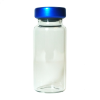

$5.00
Water for Injections (WFI): A Complete, Practical, and In-Depth Guide
Introduction to Water for Injections
Water might seem like the simplest thing in the world. You turn on a tap, fill a glass, and drink. But in the pharmaceutical world, water is anything but simple—especially when lives depend on it. This is where Water for Injections, commonly known as WFI, steps into the spotlight. It’s not just water; it’s one of the most tightly controlled substances used in medicine.
Water for Injections plays a silent yet essential role in modern healthcare. It is used to prepare injectable drugs, dilute medications, clean medical equipment, and even support life-saving treatments like intravenous therapies. When medication is injected directly into the bloodstream, there is zero room for error. Any impurity—chemical, microbial, or biological—can lead to severe complications or even fatal outcomes.
Think of WFI as the backstage crew of a medical performance. Patients never see it, doctors rarely talk about it, but without it, the entire show collapses. Unlike drinking water or even purified water, WFI must meet exceptionally strict standards for purity, sterility, and endotoxin levels. These standards exist because the human body, when exposed internally through injections, has no natural defense mechanisms against contaminants.
In this guide, we’ll break down everything you need to know about Water for Injections—from what it is and how it’s made, to why it matters so much and where the industry is headed next. Whether you’re a student, healthcare professional, pharmaceutical manufacturer, or simply curious, this deep dive will give you clarity without drowning you in jargon.
What Is Water for Injections?
Water for Injections is a highly purified form of water specifically designed for use in injectable pharmaceutical products. According to major pharmacopeias like the United States Pharmacopeia (USP) and European Pharmacopoeia (EP), WFI must meet stringent chemical and microbiological requirements. It is not required to be sterile at the point of production unless it is labeled as “Sterile Water for Injection,” but it must be free from harmful levels of microorganisms and bacterial endotoxins.
At a chemical level, WFI is almost pure H₂O. That means extremely low conductivity, minimal organic compounds, and virtually no dissolved salts or metals. Even trace contaminants that would be harmless in drinking water are unacceptable here. Why? Because injectable drugs bypass the body’s natural filtration systems like the liver and kidneys and go straight into circulation.
One of the most important characteristics of Water for Injections is its low endotoxin content. Endotoxins are toxic substances released by bacteria, and even dead bacteria can leave these behind. When endotoxins enter the bloodstream, they can trigger fever, inflammation, shock, or worse. This is why WFI standards are far stricter than those for other pharmaceutical waters.
In simple terms, Water for Injections is water stripped down to its safest, cleanest form—engineered specifically for direct contact with the human bloodstream. It’s the difference between washing your hands with tap water and performing surgery with sterilized instruments. The stakes are just that high.
Historical Evolution of Water for Injections
The journey of Water for Injections is closely tied to the evolution of modern medicine itself. In the early days of injectable therapies, water quality was often an afterthought. Physicians used boiled water or rudimentary filtration methods, unaware of invisible threats like endotoxins and microbial contamination. Unsurprisingly, infections and adverse reactions were common.
As injectable drugs became more widespread in the late 19th and early 20th centuries, medical professionals began noticing patterns. Patients developed fevers, inflammation, or sepsis even when the drugs themselves were considered safe. Over time, researchers traced many of these reactions back to contaminated water used in drug preparation.
This realization sparked a revolution in pharmaceutical water standards. Distillation emerged as the gold standard for producing ultra-pure water. Regulatory bodies began defining what “acceptable” water quality actually meant. The introduction of pharmacopeias formalized these standards, turning water from a background ingredient into a regulated pharmaceutical component.
By the mid-20th century, Water for Injections became a mandatory requirement for injectable drug manufacturing. Advances in microbiology and analytical chemistry allowed manufacturers to detect contaminants at previously unimaginable levels. The focus shifted from simply killing bacteria to eliminating their byproducts as well.
Today, WFI represents decades of hard-earned lessons, scientific progress, and regulatory refinement. Every standard in place exists because, at some point in history, someone learned the hard way what happens when water isn’t clean enough.
Importance of Water for Injections in the Pharmaceutical Industry
In the pharmaceutical industry, Water for Injections is not just another utility—it’s a critical raw material. Without it, the production of injectable drugs would grind to a halt. Vaccines, antibiotics, chemotherapy drugs, insulin, and IV fluids all rely on WFI at various stages of their lifecycle.
One of the key reasons WFI is so important is its direct impact on drug safety and effectiveness. Impurities in water can interact with active pharmaceutical ingredients, reducing their potency or causing unexpected chemical reactions. In some cases, contaminated water can render an otherwise perfectly formulated drug unsafe for human use.
From a patient safety perspective, WFI is non-negotiable. Injectable medications bypass the digestive system and immune barriers, meaning any contaminant has immediate access to vital organs. This makes WFI a frontline defense against infections, fevers, and inflammatory responses.
Operationally, pharmaceutical companies invest heavily in WFI systems. These systems require constant monitoring, validation, and maintenance. Any deviation from quality standards can lead to batch failures, regulatory warnings, or product recalls—events that cost millions and damage reputations.
In short, Water for Injections is the unsung hero of pharmaceutical manufacturing. It doesn’t treat disease on its own, but without it, modern medicine as we know it simply wouldn’t exist.
Regulatory Standards Governing Water for Injections
Water for Injections is governed by some of the strictest regulatory standards in the pharmaceutical world. Major authorities like the United States Pharmacopeia (USP), European Pharmacopoeia (EP), Japanese Pharmacopoeia (JP), and the World Health Organization (WHO) all provide detailed specifications for WFI.
These regulations define acceptable limits for:
-
Conductivity
-
Total Organic Carbon (TOC)
-
Microbial counts
-
Bacterial endotoxins
One of the most critical parameters is endotoxin content, typically limited to no more than 0.25 EU/mL. This limit exists because endotoxins can cause severe reactions even at extremely low concentrations. Conductivity limits ensure minimal ionic contamination, while TOC limits control organic impurities.
Regulators also require comprehensive documentation. Pharmaceutical manufacturers must validate their WFI systems, prove consistent performance, and maintain detailed records. Any change to the system—whether it’s a new pipe or a different sanitization method—often requires revalidation.
Global harmonization efforts have made it easier for companies operating internationally. While minor differences still exist between pharmacopeias, the core principles remain the same: Water for Injections must be exceptionally pure, consistently monitored, and fully traceable.
Be the first to review “Water for Injections – 1 Ampule – 5 ml”
Related products
Syringes & Accessories

Syringes & Accessories
Syringes & Accessories

Syringes & Accessories
Syringes & Accessories

Syringes & Accessories

Syringes & Accessories

Drawing Needles
Reviews
There are no reviews yet.