
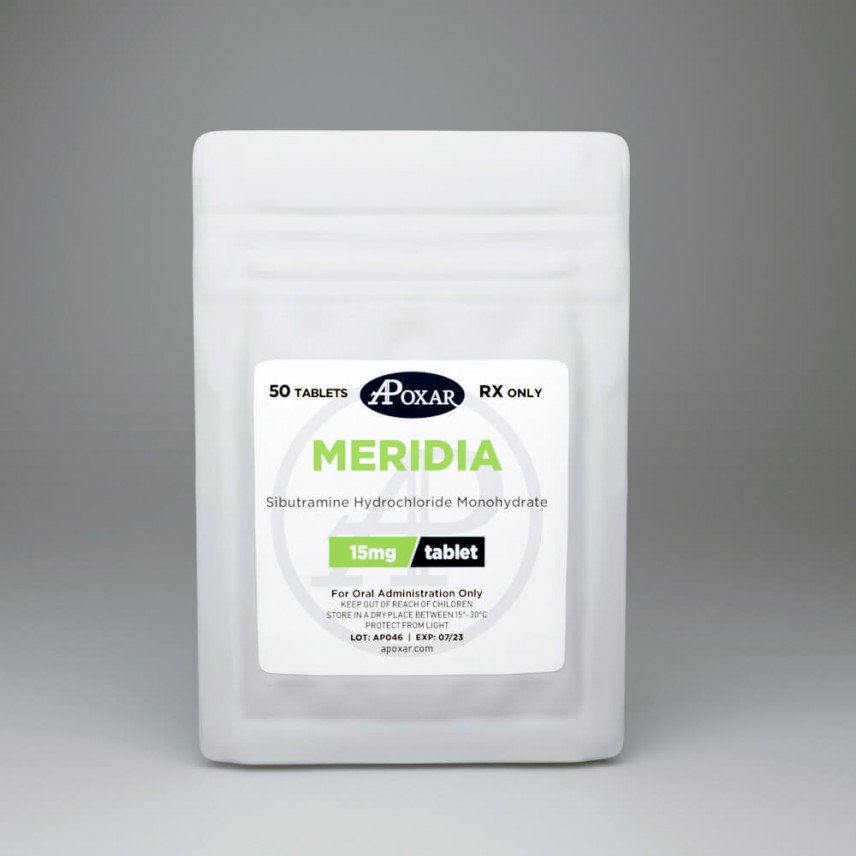
Meridia – Sibutramine (Fat Loss) 15mg/50tabs – Apoxar

$80.00
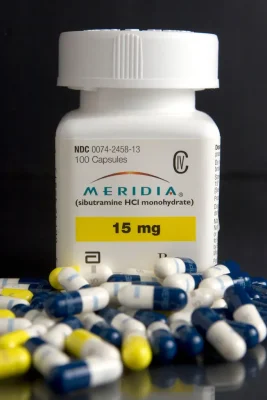
Sibutramine is exactly what you heard of it. It is an active compound in Meridia drug (and in several others) and it was initially created to treat obesity and unnecessary fat. The important detail on it is that you still need to workout and eat healthy to avoid nasty side effects. Meridia can work even if you sit on the couch, but the consequences of such use will be a total disaster. If you use Meridia healthy, here is what you can expect:
- Amazing fat loss;
- Meridia not only burns fat that already there but prevents the formation of new fat folds;
- Increased metabolism;
- Constant feeling of fullness;
- Top quality guaranteed by Apoxar and independent lab check.
Possible Meridia’s side effects are mild, but it is still better to consult with a doctor before using it. Moreover, Meridia’s turnover isn`t well controlled in the country. That is why you need to double check the compound before buying it. Good for you, on our website we have all necessary quality certificates and can prove that you will receive exactly what you ordered.
Meridia for Fat Loss: A Complete, Responsible, and Evidence-Based Guide
The phrase
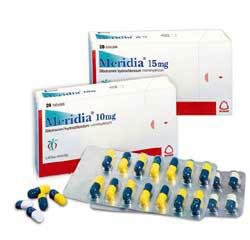
continues to appear online, even years after the medication left most global markets. This ongoing interest creates confusion, misinformation, and potential health risks. Therefore, clear and factual education matters more than ever.
This guide explains what Meridia is, how it once worked, why regulators withdrew it, and what safer, modern alternatives exist today. By the end, you will understand the full context behind Meridia and fat loss—without hype or misinformation.
What Is Meridia?
Meridia is the former brand name for sibutramine, a prescription medication developed to support weight loss in people with obesity. Doctors introduced it in the late 1990s as an appetite-regulating drug.
At the time, Meridia appeared promising. However, long-term safety data later revealed serious concerns. As a result, regulatory agencies took decisive action.
How Meridia Was Intended to Support Fat Loss
Meridia worked by affecting neurotransmitters in the brain, particularly serotonin and norepinephrine. These chemicals influence appetite and satiety.
Because of this mechanism:
-
Users often felt full sooner
-
Appetite signals reduced
-
Caloric intake sometimes decreased
Initially, doctors believed these effects could help patients lose weight when combined with diet and lifestyle changes.
Why Meridia for Fat Loss Became Popular
Several factors drove Meridia’s early popularity:
-
Rising global obesity rates
-
Limited pharmaceutical weight-loss options
-
Strong marketing and early clinical results
-
Demand for appetite-suppressing medications
However, popularity does not equal long-term safety. Over time, evidence changed the medical conversation.
The Turning Point: Safety Concerns Emerge
As Meridia use increased, researchers began noticing concerning patterns. Cardiovascular events appeared more frequently in certain users, especially those with existing risk factors.
This led to the SCOUT trial (Sibutramine Cardiovascular Outcomes Trial), which fundamentally changed Meridia’s fate.
What the SCOUT Trial Revealed
The SCOUT trial evaluated sibutramine’s long-term cardiovascular effects. The findings were clear and concerning.
Researchers observed:
-
Increased risk of heart attack
-
Higher incidence of stroke
-
Elevated cardiovascular mortality
As a result, the risks outweighed the benefits for weight loss.
Global Withdrawal of Meridia
Following the SCOUT trial results:
-
The FDA (United States) withdrew Meridia in 2010
-
The EMA (European Medicines Agency) suspended it
-
Many other countries followed suit
Therefore, Meridia is no longer approved in most regulated markets.
Why “Meridia for Fat Loss” Still Appears Online
Despite withdrawal, the keyword Meridia for fat loss continues to surface online. Several reasons explain this trend:
-
Outdated articles remain indexed
-
Illegal products appear on unregulated websites
-
Sibutramine sometimes hides in counterfeit supplements
-
Curiosity about “strong” weight-loss drugs persists
Unfortunately, this persistence creates real health risks.
The Hidden Danger: Sibutramine in Illegal Supplements
One of the most serious modern concerns involves undeclared sibutramine in so-called “herbal” or “natural” weight-loss products.
These products:
-
Avoid regulatory oversight
-
Hide sibutramine on ingredient labels
-
Expose users to unknown dosages
Health authorities regularly issue warnings about this issue.
Why Sibutramine Poses Cardiovascular Risks
MERIDIA FOR FAT LOSS increases heart rate and blood pressure. Over time, this strain affects the cardiovascular system.
Potential risks include:
-
Hypertension
-
Arrhythmias
-
Heart attacks
-
Strokes
These effects explain why medical regulators acted decisively.
Common Misconceptions About Meridia
Myth 1: “Meridia works better than modern options”
Reality: Safer, more effective treatments exist today.
Myth 2: “Low doses are safe”
Reality: Cardiovascular risk exists even at controlled doses.
Myth 3: “If it’s online, it must be legal”
Reality: Many online products violate drug safety laws.
Education helps dismantle these myths.
Modern Medical View on Meridia for Fat Loss
Today, the medical community views Meridia as a historical example of why long-term safety data matters.
Doctors now emphasize:
-
Cardiovascular safety
-
Metabolic health
-
Sustainable weight management
As a result, Meridia no longer plays any role in responsible obesity care.
Safer, Approved Alternatives for Fat Loss
Although Meridia is no longer used, medical weight management continues to evolve.
Doctors may consider:
-
Lifestyle-first interventions
-
Behavioral therapy
-
Newer prescription medications with safer profiles
-
Nutrition-based metabolic support
Importantly, modern treatments undergo stricter safety evaluation.
The Role of Lifestyle in Sustainable Fat Loss
Medication alone never solved obesity. Long-term success depends on multiple factors.
Key contributors include:
-
Nutrient-dense diets
-
Regular physical activity
-
Sleep optimization
-
Stress management
When these elements work together, results improve without excessive risk.
Psychological Aspects of Weight Management
Fat loss involves both physiology and psychology. Appetite regulation, stress eating, and emotional habits influence outcomes.
Because of this:
-
Counseling and support matter
-
Behavior change improves adherence
-
Sustainable habits reduce relapse
Modern medicine recognizes this complexity.
Legal and Regulatory Reality Today
In most countries:
-
Meridia is illegal to sell or prescribe
-
Sibutramine is classified as a banned substance
-
Importing it may lead to legal consequences
Therefore, consumers should exercise extreme caution with any product claiming Meridia-like effects.
Why Education Protects Health
Search terms like Meridia for fat loss often reflect frustration, not informed intent. Education shifts the focus from risky shortcuts to safer, evidence-based care.
As a result:
-
Expectations become realistic
-
Health risks decrease
-
Long-term success improves
Knowledge remains the strongest protective tool.
How to Identify Red Flags in Weight-Loss Products
Watch for:
-
Claims of “Meridia-like” effects
-
Extremely rapid fat loss promises
-
Hidden or proprietary blends
-
No regulatory or medical backing
When in doubt, medical advice always comes first.
The Future of Fat Loss Treatment
Modern research focuses on:
-
Metabolic signaling
-
Hormonal regulation
-
Appetite-brain pathways
-
Cardiovascular safety
This approach reflects lessons learned from drugs like Meridia.
Frequently Asked Questions
Is Meridia still available anywhere legally?
In most countries, no. It has been withdrawn due to safety risks.
Is sibutramine safe in supplements?
No. Undeclared MERIDIA FOR FAT LOSS poses serious health dangers.
Why was Meridia effective short-term?
It suppressed appetite, but long-term cardiovascular risks outweighed benefits.
Are there safer medical options today?
Yes. Doctors now use safer, evidence-based strategies
MERIDIA FOR FAT LOSS – COMPAUND REVIEW
MERIDIA FOR FAT LOSS: Meridia Sibutramine is a long used well known compound with high effectiveness. You can find various opinions about it on the Internet, some say that it is dangerous to use it, some say that it is fine. What these opinions have in common is that people are sure that Meridia actually works.
Meridia increases your body temperature, thus increasing your metabolism and making you lose fat effectively.
Here is why MERIDIA FOR FAT LOSS is a good choice:
- No side effects if taken correctly;
- Rapid results;
- Kicks in fast and does`t require supportive compounds;
- Reasonable price;
- Premium quality.
Meridia Apoxar is a premium quality product which is proven by certificates you can find on our website. This quality is at least half of success.
Meridia Benefits – MERIDIA FOR FAT LOSS
- One of the most effective compounds;
- Rapid MERIDIA FOR FAT LOSS;
- Suppresses appetite;
- Pharmacy grade quality;
- 3rd party lab-tested, independent check.
Be the first to review “Meridia – Sibutramine (Fat Loss) 15mg/50tabs – Apoxar”
Related products
Cytomel - T3
Clenbuterol
Weight Loss
Clenbuterol
Reviews
There are no reviews yet.