
Blog
How to Spot Fake Steroids Before You Buy
Apr
One bad vial can wreck more than a cycle. If you want to know how to spot fake steroids, start with the hard truth: counterfeit gear rarely announces itself. It usually looks close enough, sounds legit enough, and gets sold with just enough confidence to trap buyers who are chasing results fast. That is exactly why experienced users obsess over source quality, packaging details, and consistency before they ever pin or swallow a dose.
Fake steroids are not just a money problem. They can be underdosed, overdosed, contaminated, or filled with something completely different from the label. For anyone serious about muscle growth, strength, recovery, or body recomposition, that means wasted weeks at best and serious health risk at worst. In this market, authenticity is not a bonus. It is the baseline.
How to spot fake steroids at first glance
The first pass is visual, but it should never be superficial. Counterfeit products often copy branding well enough to fool new buyers, yet they usually miss the small things. Labels may be slightly off-center, fonts can look inconsistent, colors may appear faded, and print quality can seem cheaper than expected. A clean pharmaceutical-style presentation matters because legitimate operations tend to be consistent across batches.
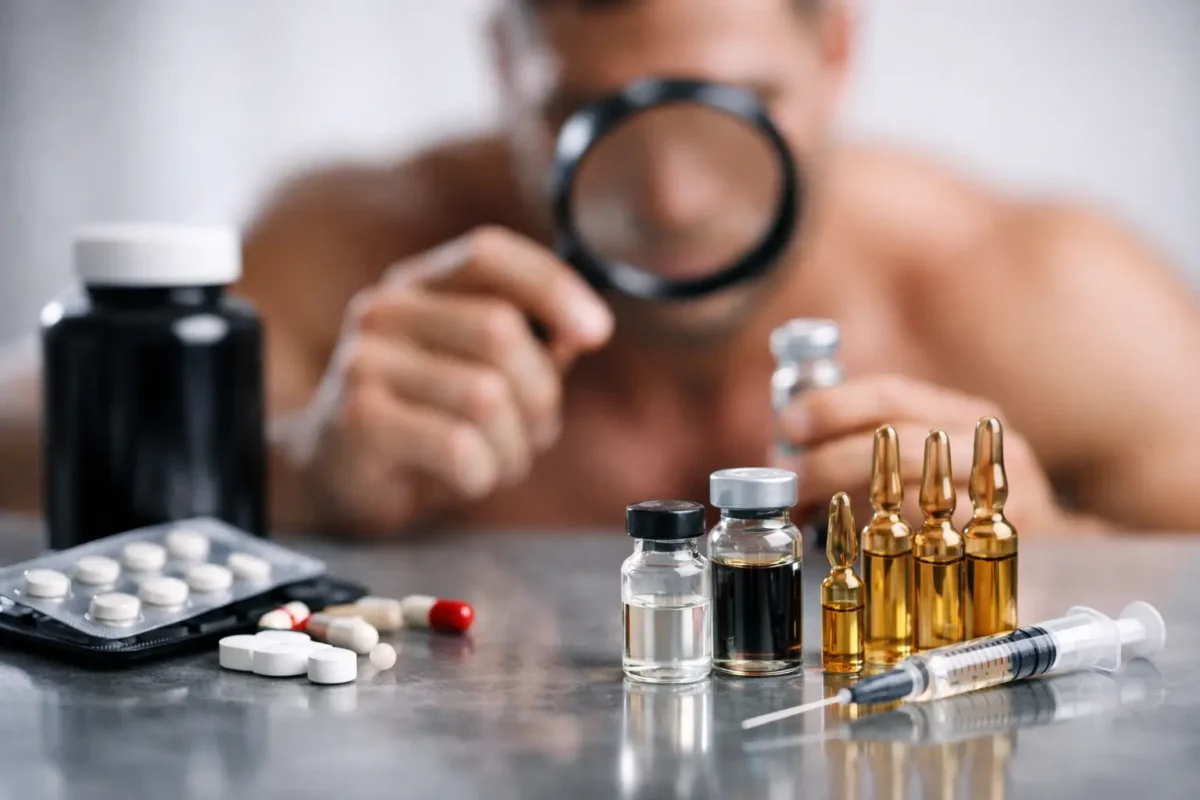
Vials, blister packs, and bottles should also match the standard you would expect from a genuine, lab-conscious supplier. Crooked caps, loose seals, cloudy oil, floating particles, misspelled words, and scratched-off lot numbers are all red flags. Not every visual flaw proves a product is fake, but multiple flaws in one package should kill your confidence immediately.
Price is another early warning sign. Everyone wants a deal, but extreme discounts are usually bait. If a product is priced far below the normal market range without a clear reason, there is a good chance corners were cut somewhere. Real gear, especially well-known compounds with quality control behind them, has a cost floor. Dirt-cheap products often come with dirt-cheap standards.
The source usually tells you more than the label
If you really want to understand how to spot fake steroids, stop focusing only on the bottle and start looking harder at the seller. A counterfeit product can have decent packaging. A sketchy source usually gives itself away much faster.
Trusted sellers are consistent. They carry broad inventory that makes sense, provide clear product information, and maintain stable branding across their catalog. They do not hide behind vague product descriptions or constantly changing contact details. They also tend to emphasize authenticity, testing, and customer confidence because they know informed buyers are paying attention.
On the other side, bad sources create friction. They dodge basic questions, avoid discussing batch verification, use stolen product photos, and make oversized promises about impossible results. If the seller sounds more interested in rushing you to checkout than proving product legitimacy, that tells you plenty.
Reviews can help, but they need context. A handful of generic five-star comments means very little. Look for specific feedback about packaging consistency, order accuracy, product effects over time, and repeat purchasing. Detailed reviews from experienced users are more useful than hype.
Packaging details that counterfeiters often miss
Counterfeiters usually copy the big features and botch the small ones. That is why careful buyers compare details, not just logos.
Check whether the label matches the compound, concentration, and volume in a way that makes sense. A product claiming an odd concentration with amateur design should raise questions. Batch numbers, expiration dates, and manufacturing data should look professionally printed, not randomly stamped or easily smeared. If the information appears altered, duplicated across multiple products, or missing entirely, step back.
For injectables, the oil itself matters. It should generally appear clean and uniform for that compound type. Unexpected cloudiness, sediment, or separation can signal poor manufacturing or contamination. Some compounds naturally crystallize under certain conditions, so this is not always proof of a fake, but it is a reason to investigate before use.
For tablets and capsules, look for consistency in size, color, and finish. If one tablet in a strip looks different from the rest, that is a problem. Sloppy blister seals and weak bottle closures are another sign the product may not come from a serious operation.
Batch codes, verification, and testing
One of the strongest signs of a genuine product is traceability. Reliable products often include batch or lot numbers that can be checked through the brand or seller. If a seller cannot explain how verification works, or if the code looks like a random afterthought, your risk goes up.
This is where many buyers get lazy. They see a code and assume it means quality. It does not. The code has to be meaningful, consistent, and tied to an actual verification process. If the same batch number appears on completely different compounds, something is off.
Testing matters too. Lab-certified and scientifically tested claims should not be empty sales language. In a trustworthy environment, testing is part of the product story because authenticity and purity are core concerns for serious users. Rein Store Clinic, for example, leans into that trust-first standard because advanced buyers care about real compounds, not mystery oil with a flashy label.
A home test kit can add another layer of confidence, especially for users who do not want to rely on appearance alone. It will not solve every question, but it can help catch obvious mismatches between the labeled compound and what is actually in the product.
Effects in the gym can reveal bad gear, but slowly
A lot of people try to confirm legitimacy by feel alone. That is risky. Some fake steroids contain real hormone ingredients at weak doses, while others include different compounds that still produce some effect. So yes, your body can give clues, but not always fast enough to protect you.
If a product produces no expected response after a reasonable period, that can point to underdosing or counterfeit material. The same goes for side effects that do not match the compound profile. If an injectable test product behaves more like a harsh mystery blend, or a mild oral hits with strangely aggressive sides, that is worth paying attention to.
Still, this is the part where nuance matters. Diet, training, sleep, dosage, and cycle structure affect outcomes too. Weak gains do not always mean fake gear. But when poor results line up with suspicious packaging, a questionable source, and no verification path, the picture gets clearer.
Common mistakes buyers make
The biggest mistake is letting urgency override judgment. A lot of fake gear gets sold to people who are in a hurry to start a cycle, replace a missed shipment, or chase a low price before stock disappears. Counterfeit sellers know that impatience sells.
Another mistake is assuming that professional-looking branding equals authenticity. It does not. Anyone can print a decent label. What is harder to fake is consistency across product lines, transparent sourcing standards, and a seller with a reputation for genuine gear.
Buyers also get into trouble when they skip support products and planning. Someone who is careless about cycle structure is often careless about sourcing too. The disciplined user who thinks ahead about ancillaries, PCT, dosing, and monitoring is usually the same person who catches fake gear before it becomes a problem.
A smarter way to buy with less risk
The safest approach is not complicated, but it does require discipline. Buy from a trusted source with a clear reputation for genuine, lab-conscious products. Inspect the product closely when it arrives. Verify lot information if available. Compare what you received against what a legitimate product should look like. If anything feels off, do not use it just because you already paid for it.
It also helps to stay inside ecosystems that understand performance enhancement beyond a single bottle sale. Sellers focused on real results usually know buyers need more than inventory. They need reliability, informed guidance, and confidence that what shows up at the door matches what was ordered.
That is the real edge. Knowing how to spot fake steroids is not about becoming paranoid. It is about buying like someone who takes performance seriously. The strongest cycle on paper means nothing if the product is garbage, and the smartest move you can make is to treat authenticity as part of your results from day one.
